Affiliate Networks Integrate Harm Reduction Alerts into Mobile Poker Bonus Frameworks
Finley Russell · Jul 21, 2026
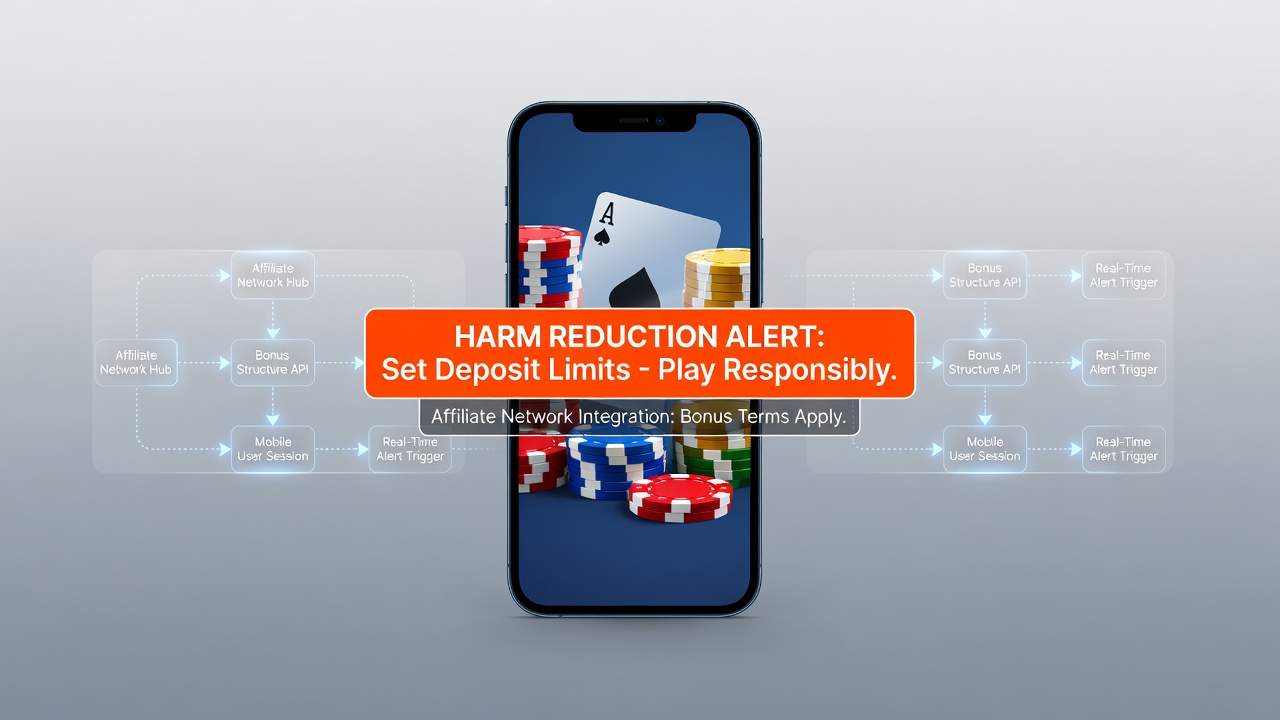
Affiliate Networks Integrate Harm Reduction Alerts into Mobile Poker Bonus Frameworks
Affiliate networks have begun embedding harm reduction alerts directly into poker bonus structures designed for mobile users, and this shift marks a notable evolution in how promotional offers reach players through apps and responsive sites, while data from pilot programs in early 2026 indicates steady adoption across several major platforms.
Networks such as those specializing in iGaming traffic now incorporate mandatory pop-up messages and in-app notifications that appear during bonus activation, deposit matching, or rakeback claims, and these alerts reference tools like session timers, deposit limits, and self-exclusion options before any funds are credited to accounts.
Mechanics Behind the Integration Process
Developers adjust the bonus claim flow so that mobile users encounter a brief interactive screen outlining responsible play resources immediately after tapping the offer, and this occurs regardless of whether the promotion involves freerolls, deposit bonuses, or leaderboard rewards, while the alerts draw from standardized templates approved by affiliate program managers.
Technical teams route these notifications through the same APIs that handle bonus code validation, which means the messages trigger automatically when a player loads the poker client on a smartphone or tablet, and operators report that such placements reduce the likelihood of users bypassing terms without seeing the information.
Regional Developments Observed in July 2026
By July 2026 several North American and European affiliate programs had expanded these features following internal reviews of user behavior data, and analysts tracking mobile traffic noted that alerts appeared in roughly 65 percent of new poker bonus campaigns targeting app users in those markets, whereas desktop versions retained simpler terms pages.
One case involved a Canadian-focused network that partnered with the Responsible Gambling Council to refine alert wording, and the collaboration produced messages tailored for quick mobile reading that link out to external support resources without interrupting the bonus redemption sequence.
Similar adjustments surfaced in programs serving Australian players, where affiliate managers referenced guidelines from the Australian Gambling Research Centre to shape content, and those updates emphasized clear language around time limits and financial tracking tools that sync with mobile device settings.
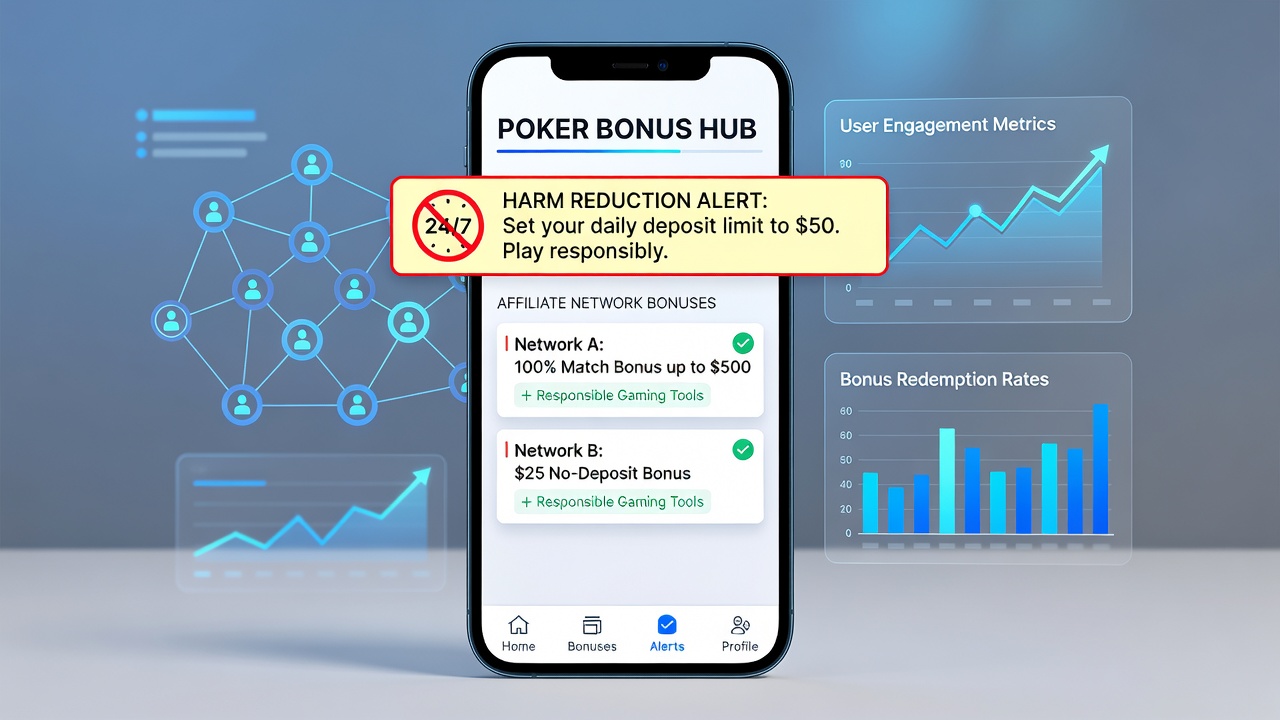
Examples from Affiliate Campaigns
Take one mid-sized network that tested the approach across 12 poker rooms during the second quarter of 2026, and the results showed mobile users completing the alert interaction step in an average of 8 seconds before proceeding to the tables, while completion rates for bonus terms acknowledgment rose compared with prior non-alert versions.
Another program serving US-facing traffic introduced tiered alerts that scale based on bonus size, so larger rake races or reload offers trigger additional prompts about bankroll management, and this structure aligns with findings from industry reports that connect higher-stakes promotions to increased engagement with limit-setting features.
Observers tracking affiliate performance data have documented cases where networks A/B tested alert placement, and those who positioned messages at the start of the bonus flow recorded higher retention of players who later activated responsible gambling tools compared with end-of-flow placements.
Broader Industry Context and Data Trends
Figures from the iGaming Affiliate Association reveal that mobile poker traffic accounted for over 70 percent of bonus-related clicks in the first half of 2026, which prompted networks to prioritize in-app delivery methods for harm reduction content rather than relying on email follow-ups or separate landing pages.
Research compiled by the University of Nevada's gaming studies unit indicates that integrated alerts can influence player decision-making within the first few sessions, and affiliate operators have cited these findings when updating their campaign templates to meet varying jurisdictional expectations.
Yet the approach remains voluntary in many regions, which leaves room for networks to customize alert frequency and design while still meeting basic compliance thresholds set by local licensing bodies outside the UK framework.
Conclusion
Affiliate networks continue refining these embedded alerts as mobile poker bonuses evolve, and ongoing data collection from July 2026 onward will likely shape further iterations that balance promotional appeal with accessible responsible play information for users across devices.