Behavioral Analytics: The Engine Behind Customized Responsible Gaming Alerts in Digital Gambling
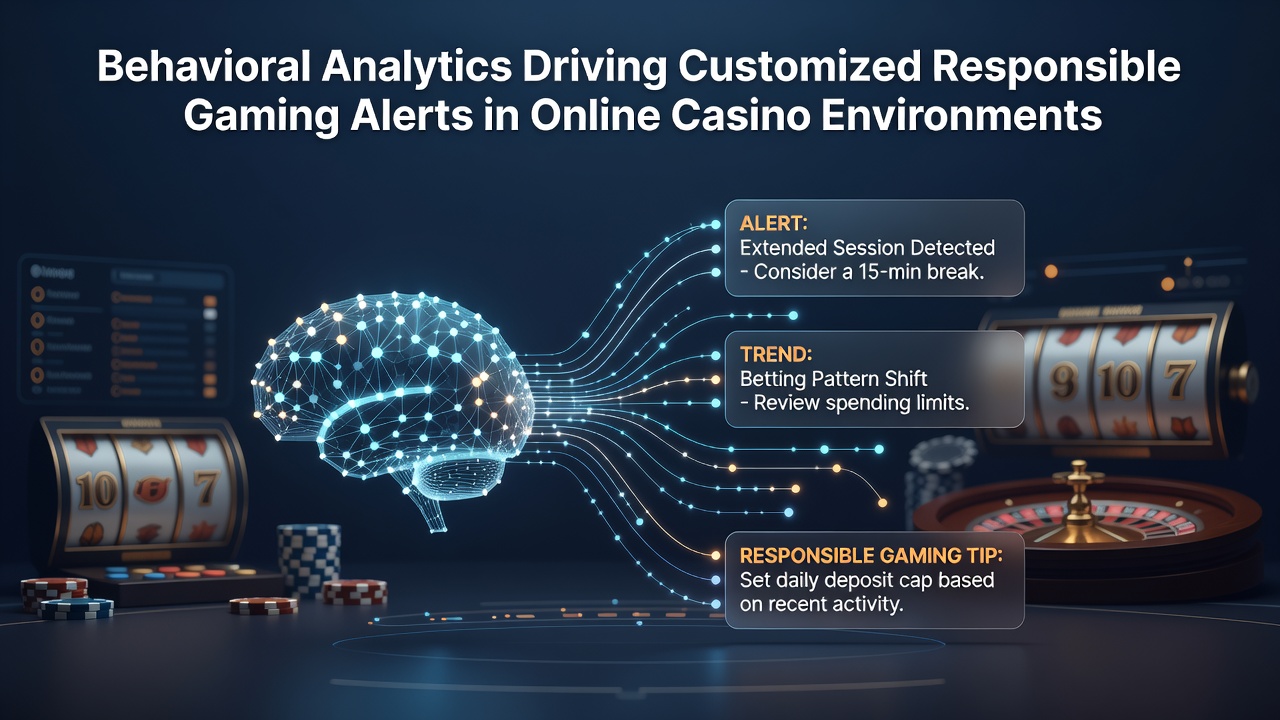
Online casino operators now rely on behavioral analytics to monitor player activity and generate alerts tailored to individual patterns, and these systems track metrics such as session duration, wager frequency, deposit amounts, and deviations from established norms to identify potential risks early. Data from multiple jurisdictions shows that platforms integrating real-time analysis tools have reduced instances of extended play sessions by noticeable margins, while the approach draws from machine learning models that process thousands of data points per user without requiring manual intervention from staff.
How Tracking Systems Operate in Practice
Algorithms examine historical play data against current behavior, and when a player exceeds thresholds like consecutive hours logged in or rapid increases in bet sizes, the system flags the account for an automated message. Researchers at institutions including the University of Nevada have documented how these models differentiate between recreational fluctuations and sustained changes that warrant attention, while operators in regulated markets apply similar frameworks to maintain compliance across varying player bases. One study released in early 2026 highlighted cases where alerts prompted users to set voluntary limits within the same session, demonstrating the direct link between data signals and immediate behavioral adjustments.
Customization Elements That Improve Relevance
Alerts move beyond generic warnings because analytics segment users by profile characteristics, and messages adapt in tone, timing, and content based on whether the individual shows signs of chasing losses, increasing frequency after wins, or altering payment methods suddenly. Canadian regulators through the Alcohol and Gaming Commission of Ontario have noted that personalized interventions yield higher engagement rates than standardized pop-ups, while European operators report similar outcomes when combining session data with demographic factors. Those who have examined implementation logs observe that shorter, direct notifications sent at natural break points, such as after a completed game round, achieve better response levels than interruptions mid-play.
What's notable is the integration of multiple data streams, including time-of-day patterns and device usage, which allows systems to refine alerts further, and platforms test variations continuously to determine which formats prompt users to review their activity summaries. Evidence from industry reports indicates that operators who update their models quarterly maintain stronger alignment with emerging play trends, whereas static systems lose effectiveness as user habits evolve.
Regulatory Context and Industry Adoption
Authorities in several regions now encourage or require elements of behavioral monitoring as part of broader responsible gaming frameworks, and licensing conditions in places such as New Jersey and parts of Australia reference the use of analytics to support player protection measures. The National Council on Problem Gambling in the United States has published resources outlining how data-informed alerts fit within existing harm minimization strategies, while trade groups like the American Gaming Association have shared case examples from member companies that implemented these tools ahead of formal mandates. Observers note that adoption accelerated during 2025 as software providers released updated platforms capable of handling larger data volumes with lower latency.
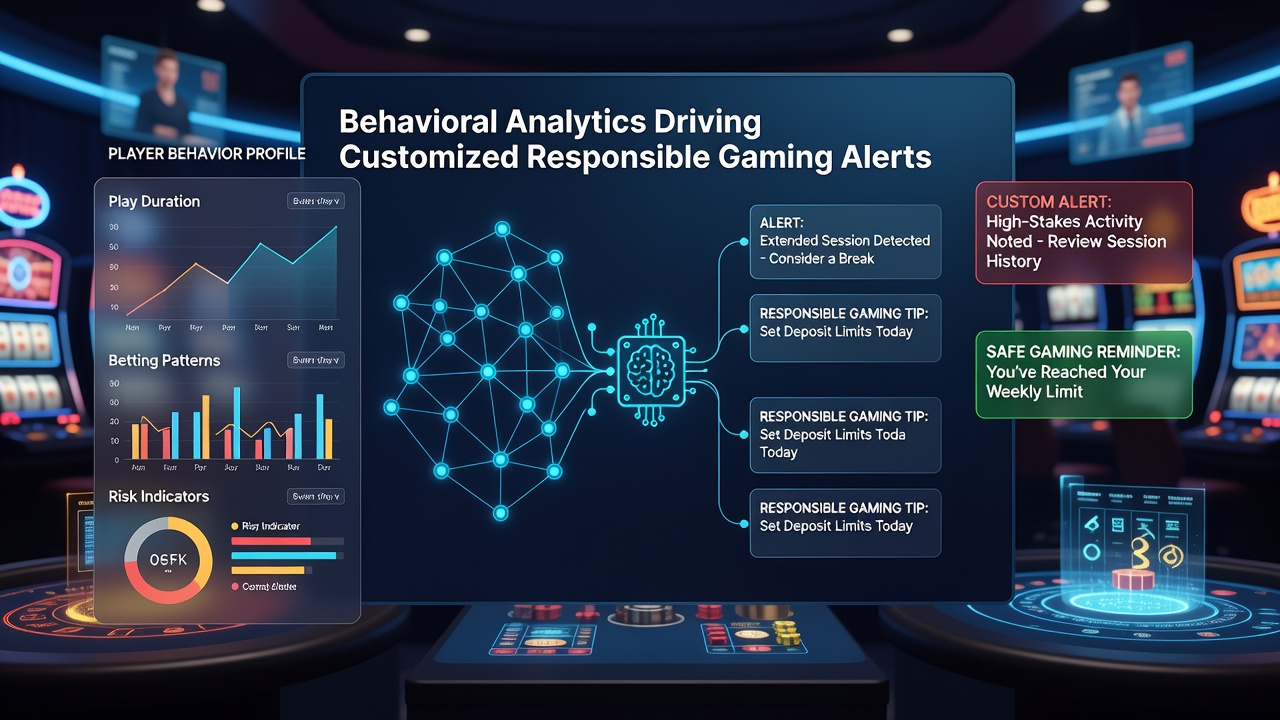
June 2026 brought additional clarity when several operators published aggregated findings from their monitoring programs, and these disclosures revealed that a measurable percentage of flagged players interacted with self-assessment tools following receipt of an alert. The reports also covered technical aspects such as false positive rates and the adjustments made to threshold settings after initial rollouts, providing other companies with benchmarks for their own systems.
Challenges in Model Accuracy and Player Response
Even with advanced analytics, distinguishing between intentional high-volume play and emerging issues remains complex, and operators address this by combining quantitative signals with qualitative feedback loops where users can report whether an alert felt appropriate. Academic papers from Australian research centers have examined how cultural and regional differences influence alert effectiveness, showing that messages calibrated for one market may require rewording for another. Those reviewing operational data emphasize the importance of regular audits to prevent bias in the underlying algorithms, particularly when training sets reflect limited demographic diversity.
Players who receive multiple alerts over time sometimes demonstrate habituation, where response rates decline unless the system varies message style or introduces new elements such as progress summaries comparing current activity to prior periods. Companies mitigate this through A/B testing of notification designs, and results shared at industry conferences indicate that incorporating gamified elements like achievement badges for responsible play milestones can sustain engagement longer than text-only formats.
Conclusion
Behavioral analytics continue to shape how online casinos deliver responsible gaming support, with systems becoming more precise as datasets grow and modeling techniques advance. Regulatory bodies across different continents maintain oversight while allowing room for innovation, and ongoing research supplies fresh insights into which customization approaches produce the most consistent outcomes. The combination of real-time monitoring, segmented messaging, and iterative refinement has established a foundation that operators and researchers alike examine for further development in the coming years.