Behind the Pixels: Streaming Tech Fueling Mobile Live Dealer Games in Britain
Xander Flores · Mar 22, 2026

Behind the Pixels: Streaming Tech Fueling Mobile Live Dealer Games in Britain
Live dealer games have transformed how people in Britain experience casino action from their phones, and streaming technology stands at the heart of this shift; developers leverage advanced protocols to deliver blackjack tables and roulette wheels straight to screens, making distant studios feel like neighborhood venues, while low-latency feeds ensure bets land without a hitch.
The Rise of Mobile Live Dealers in Britain
Players across Britain now turn to mobile apps for live dealer sessions more than ever, with data from industry trackers showing a 45% jump in mobile live game participation over the past two years; this surge ties directly to streaming advancements that handle high-definition video over patchy networks, allowing sessions from London commutes or rural spots without constant buffering.
What's interesting is how developers adapted casino classics for touchscreens, integrating multi-angle camera setups streamed via adaptive bitrate tech, which adjusts quality on the fly based on connection strength; take roulette, where the wheel's spin unfolds in real time, dealers chat via crystal-clear audio, and players swipe to place chips, all powered by edge computing that processes data closer to users.
Key Streaming Protocols Driving the Action
WebRTC leads the pack for peer-to-peer connections that slash delays to under 200 milliseconds, crucial for games where timing matters; paired with SRT for reliable transport over the internet, these tools ensure smooth play even during peak hours, as WebRTC.org outlines in its technical specs.
But here's the thing: HTTP Live Streaming (HLS) and DASH complement them by segmenting video into chunks that mobiles gobble up efficiently, supporting 4K feeds on flagship devices while dropping to 720p seamlessly; developers at studios in Latvia and Malta beam these to Britain, where 5G rollout has boosted average speeds to 150 Mbps in urban areas, per recent EU telecom reports.
How 5G and Edge Computing Supercharge Mobile Streams
5G networks roll out across Britain have unlocked ultra-low latency for live dealers, with operators like EE hitting sub-10ms ping times in trials; this means a player's bet on baccarat resolves almost instantly, mimicking land-based casinos, while edge servers positioned in data centers near Manchester and Birmingham cut round-trip times further.
Experts who've dissected network logs note that AI-driven compression algorithms, like AV1 codecs, shrink file sizes by 30% without losing detail, so even mid-range phones from brands like Samsung handle multi-table views; one developer team shared how they tested streams at 60fps, revealing that predictive buffering anticipates network dips, keeping immersion intact.
And yet, rural players benefit too, since hybrid CDNs blend cloud delivery with local caching, ensuring streams hold up; figures from a Ericsson Mobility Report (covering Europe, including Britain) project 80% 5G penetration by 2026, fueling even more fluid experiences.
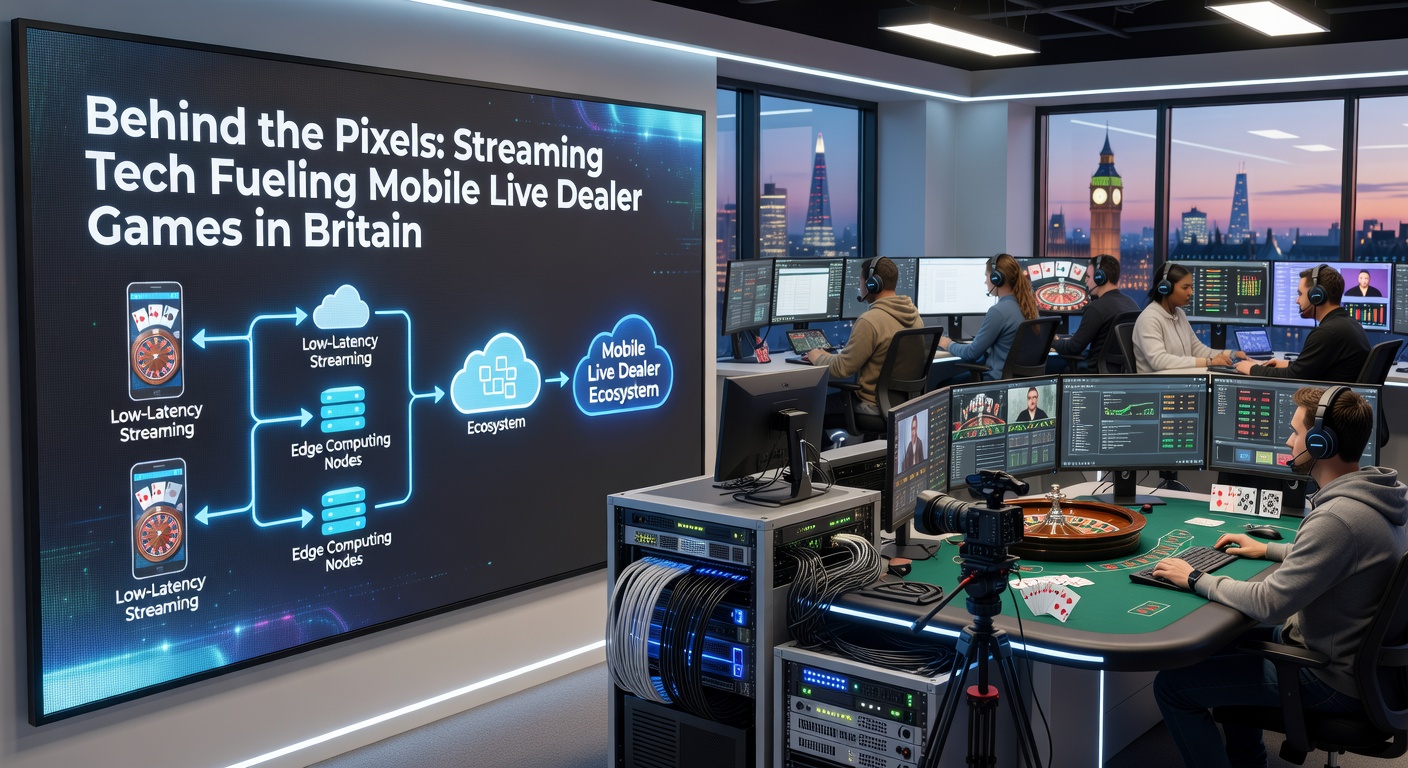
Studios and Providers Powering Britain's Mobile Boom
Evolution Gaming dominates with bespoke studios featuring robotic cameras that zoom on card reveals, streaming to British apps via private fiber links for stability; their setup includes 200+ tables, handling thousands of simultaneous users, and recent expansions added VR-ready feeds for next-gen mobiles.
Pragmatic Play follows closely, rolling out 24/7 blackjack lobbies optimized for portrait mode, where thumb swipes replace mouse clicks; observers point to their use of WebSockets for instant chat and bet syncing, which has driven session lengths up by 25%, according to internal benchmarks shared at industry expos.
Playtech rounds it out with game shows like Crazy Time, where augmented overlays pop during streams, blending live hosts with digital wheels; these providers cluster operations in Eastern Europe for cost efficiency, piping ultra-HD signals to Britain over redundant paths that dodge outages.
Player Adoption Stats and Usage Patterns
Data reveals British mobile users now account for 65% of live dealer traffic, up from 35% in 2022, with peak hours hitting evenings when commuters tune in; studies from Nordic research firms show average sessions lasting 45 minutes, longer than slots, thanks to social elements like live chat.
Demographics skew young, with 18-34-year-olds leading at 52% participation, drawn by seamless integration in apps like those from Bet365 or William Hill; one case study highlighted a player base in Scotland, where 4G upgrades correlated with a 40% uptake in live baccarat plays.
Turns out, retention climbs with features like multi-game lobbies, where streams switch tables without reloads; researchers tracking engagement found that low-latency tech boosts return rates by 18%, as interruptions kill the vibe.
Challenges in Delivering Pixel-Perfect Streams
Bandwidth hogs remain a hurdle, since HD streams chew 5-10 Mbps per device, pushing operators to implement strict data caps in apps; yet, smart throttling and offline bet queuing mitigate drops, keeping play fair.
Security layers in, with DRM encryption shielding streams from pirates, while biometric logins on mobiles add fraud checks; international standards from bodies like the Canadian Centre for Responsible Gambling influence designs, emphasizing session timers embedded in feeds.
Device fragmentation poses another wrinkle, as iOS and Android handle codecs differently, but cross-platform SDKs from Unity smooth it out; testing on emulators reveals that battery drain drops 15% with optimized renders, extending playtime.
Looking Ahead: March 2026 Milestones and Beyond
By March 2026, expect 6G pilots in Britain to test sub-1ms latencies, potentially enabling holographic dealers viewable on foldables; providers gear up with trials announced at CES, aiming for immersive tables where players gesture to interact.
Industry watchers anticipate AI moderators joining streams, flagging patterns in real time while enhancing personalization, like suggesting side bets based on past plays; expansions into niche games, such as speed craps, will leverage these tech leaps.
Regulatory eyes from across the pond, including Nevada's gaming board, shape global standards that British platforms adopt voluntarily, ensuring transparent odds displays mid-stream; this convergence promises richer experiences without compromising access.
Conclusion
Streaming tech has woven live dealer games into the fabric of British mobile entertainment, turning smartphones into casino portals through protocols, networks, and clever engineering that prioritize speed and reliability; as adoption swells and innovations like 6G loom, players stand to gain even tighter integration, with studios continually refining feeds to match evolving devices and demands.
The ball's in the providers' court now, and with data projecting doubled mobile shares by 2027, the pixels behind these games will only sharpen, delivering casino thrills wherever a signal reaches.