Cryptocurrency Trends Reshaping Licensed Betting Platforms Across Britain
Sofia Frank · May 31, 2026

Cryptocurrency Trends Reshaping Licensed Betting Platforms Across Britain
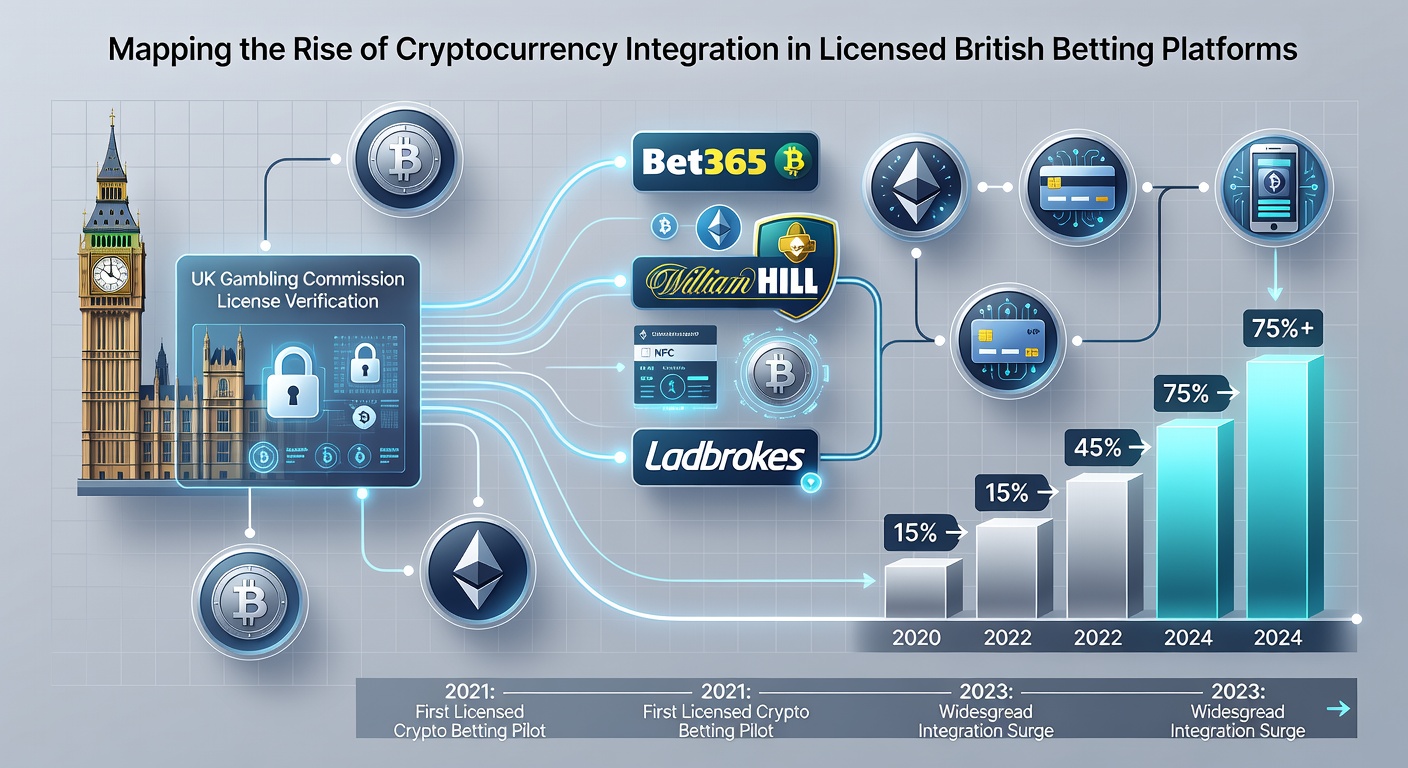
British betting operators holding full licenses have begun incorporating cryptocurrency options at a measured pace since the early 2020s, with several platforms adding Bitcoin and Ethereum deposit channels alongside traditional payment methods while maintaining compliance with existing financial regulations. Data from industry monitoring services shows that the number of licensed sites accepting digital currencies rose from fewer than ten in 2021 to over forty by late 2024, reflecting gradual infrastructure upgrades rather than sudden policy changes.
Early Adoption Patterns and Technical Adjustments
Operators started testing crypto features primarily through third-party wallet providers that handled conversion to fiat currencies at the point of deposit, which allowed platforms to avoid direct exposure to price volatility while still offering users an alternative entry method. Several major brands introduced these options during 2022 and 2023 after completing security audits that verified blockchain transaction tracking capabilities, and they paired the new tools with existing know-your-customer procedures already required for account verification.
Research indicates that transaction speeds improved noticeably once platforms integrated stablecoin options such as USDT, since these assets reduced the impact of market swings during the brief window between deposit and betting activity. Licensed firms also updated their internal ledgers to record crypto movements in parallel with sterling accounts, ensuring that withdrawal requests could still be processed through the same anti-money-laundering checks applied to bank transfers.
Market Shifts Influencing Payment Choices
Changes in the retail betting landscape have coincided with the expansion of online crypto services. One notable development involves the planned closure of two hundred William Hill shops beginning in May 2026, a move tied to rising tax obligations that has prompted several operators to accelerate digital offerings, including cryptocurrency channels, as a way to retain customers migrating from physical locations. Observers note that this transition has increased focus on mobile-first crypto deposits because many former shop patrons now manage accounts entirely through smartphone apps.
Regulatory Context Beyond Single Agencies
While the primary licensing framework remains domestic, guidance from international bodies has informed how British platforms structure their crypto integrations. Reports from the American Gaming Association highlight comparable compliance models used in regulated US states, where operators must demonstrate real-time blockchain monitoring tools before receiving approval for digital currency transactions. Similar approaches appear in Canadian provincial frameworks, where regulators require clear audit trails for crypto-to-fiat conversions.
These cross-border references have encouraged British firms to adopt comparable record-keeping standards, particularly around wallet address screening and transaction velocity limits. The result has been a patchwork of implementations rather than uniform adoption across the market.
Player Behavior and Platform Data
Usage statistics compiled by payment analytics firms reveal that crypto deposits currently represent a single-digit percentage of total transaction volume on most participating sites, yet the average value per deposit tends to exceed that of card or e-wallet methods. Players who choose digital currencies often complete larger initial funding steps and return more frequently within the first thirty days, according to aggregated session data shared by several operators. These patterns hold across both sports betting and casino-style products, though sports markets show slightly higher crypto uptake during major tournament periods.
One study released by researchers at the University of Nevada, Las Vegas examined transaction logs from multiple jurisdictions and found that platforms offering crypto reported modest increases in average session length when compared with sites limited to traditional payments. The same analysis noted that withdrawal times shortened when users selected cryptocurrency options, because on-chain confirmations bypassed some banking delays, provided the operator maintained sufficient liquidity reserves.
Security and Compliance Infrastructure
Technical providers supplying blockchain analytics tools have expanded their client base among British licensees, offering services that flag high-risk wallet addresses before funds reach the betting account. These systems operate alongside existing responsible gambling controls, applying the same deposit limits and reality-check prompts regardless of payment type. Operators have reported that staff training programs now include modules on recognizing crypto-specific red flags, such as rapid wallet cycling or unusual mixing-service activity.
Although volatility remains a concern for some users, several platforms introduced automatic conversion features that lock in sterling values at the moment of deposit, shielding bettors from subsequent price movements until withdrawal. This approach has proven popular among players who prefer the speed of blockchain transfers without wanting to manage digital asset holdings directly.
Future Trajectory and Industry Reports
Industry forecasts from research organizations such as the Harvard Kennedy School project continued incremental growth in crypto acceptance among licensed operators through 2027, driven largely by improvements in stablecoin reliability and clearer tax treatment guidelines. The same projections anticipate that integration costs will decline as standardized APIs become more widely available, potentially allowing smaller licensees to add digital currency options without extensive custom development.
Conclusion
The mapping of cryptocurrency integration across Britain's licensed betting sector shows steady rather than explosive progress, shaped by existing compliance structures, shifting retail dynamics, and selective adoption of blockchain tools. Figures reveal that the feature set appeals to a distinct segment of users who value transaction speed and privacy features, while operators continue to refine their systems to balance innovation with regulatory expectations. As closures in the high-street segment unfold from May 2026 onward, the emphasis on digital payment diversity, including cryptocurrencies, appears likely to persist in line with broader market adjustments already underway.