Integrated Payment Solutions: Enhancing Efficiency in Mobile Live Dealer Experiences
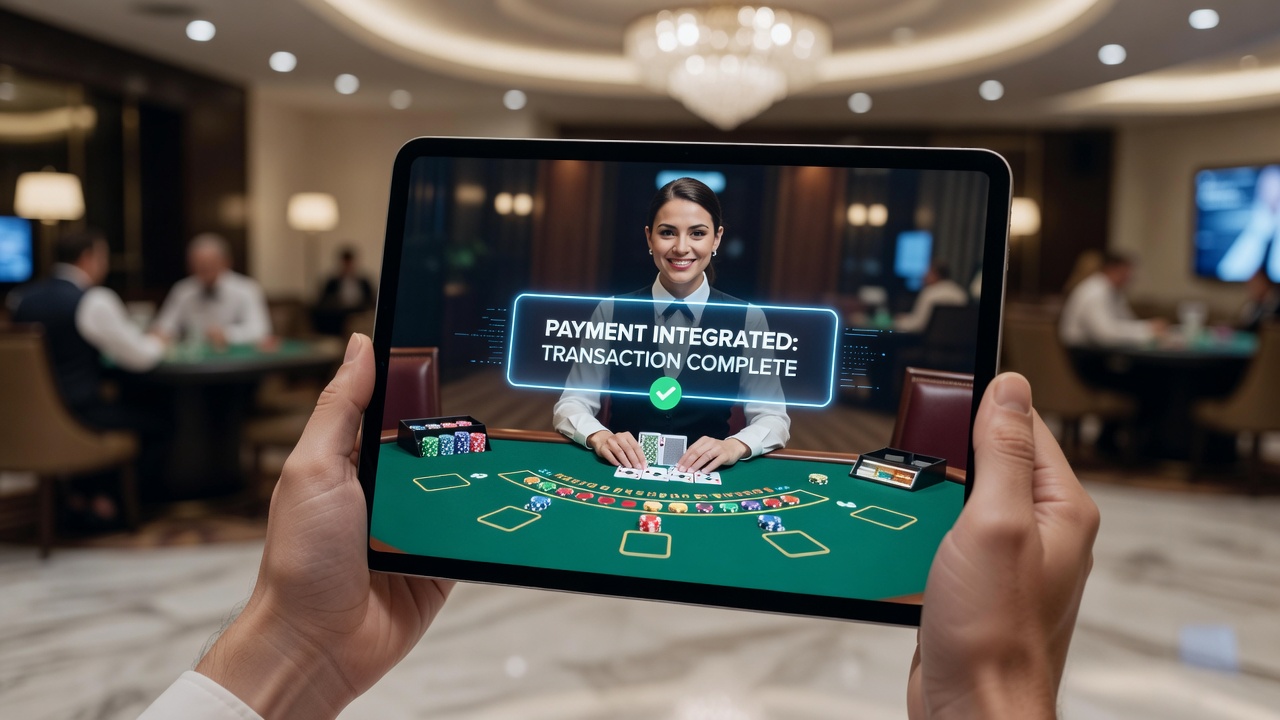
Integrated payment solutions connect directly with live dealer platforms on portable devices, allowing users to fund accounts and complete withdrawals without leaving the gaming interface. These systems rely on API connections that process transactions in real time, which reduces delays that once interrupted sessions on smartphones and tablets. Data from the European Gaming and Betting Association indicates mobile live dealer participation grew steadily through mid-2026, with seamless payment handling cited as a contributing factor in several operator reports.
Core Components of Modern Payment Integration
Payment gateways now embed within live dealer applications so deposits occur through stored credentials or biometric verification rather than external redirects. Wallet services such as digital accounts and instant bank transfers handle both funding and cashouts while maintaining encryption standards across devices. Observers note that these integrations support multiple currencies and payment types within a single session, which accommodates players switching between regions or preferences during extended play periods.
Real-time reconciliation tools update balances immediately after each transaction, and this feature proves essential when live dealer games involve ongoing bets like roulette spins or card draws. In July 2026 several platforms reported shorter average transaction times compared to earlier years, attributing the improvement to upgraded backend processors that sync with mobile operating systems. Those who've examined operator dashboards often highlight reduced error rates in payment confirmations as another measurable outcome.
Security Measures and Compliance Standards
Tokenization replaces sensitive card details with unique identifiers during mobile transactions, which limits exposure even if a device connection becomes compromised. Multi-factor authentication layers combine device recognition with one-time codes sent via secure channels, and this approach aligns with requirements from regulatory bodies across North America and Europe. Research from the University of Nevada's gaming studies program shows that platforms adopting these layered protocols experienced fewer reported incidents related to unauthorized access in portable environments.
Compliance checks run automatically in the background while players remain engaged with dealers, and automated systems flag unusual patterns without pausing gameplay. Industry organizations such as the American Gaming Association have documented how such measures help operators meet jurisdictional rules while preserving session continuity on tablets and phones.

Impact on User Experience and Session Flow
Players encounter fewer interruptions because payment confirmations appear as subtle overlays rather than full-screen redirects. This design keeps attention on the dealer feed and table action, which matters during time-sensitive games like baccarat or poker variants. Case examples from North American operators reveal that integrated solutions cut average checkout steps from five or six down to two or three, and this reduction correlates with longer average session durations in anonymized usage data.
Cross-device synchronization further supports continuity: a user who begins a session on a smartphone can switch to a tablet mid-game while balances and payment methods remain accessible without re-entry. Those who've studied platform analytics point out that such fluidity encourages repeat engagement across different portable formats throughout the day.
Technical Infrastructure Supporting Growth
Cloud-based payment processors scale capacity during peak hours when mobile traffic spikes, and this infrastructure handles thousands of simultaneous live dealer connections without latency spikes. Partnerships between software providers and financial institutions enable instant verification of funds, which proves particularly useful for high-stakes tables where quick top-ups prevent missed betting opportunities. Reports from the European Commission on digital economy trends note increasing adoption of these hybrid systems in entertainment sectors that rely on portable access.
Developers continue refining machine-learning models that predict optimal payment routing based on device location and network conditions, which further minimizes failed transactions. The result appears in smoother handoffs between deposit, play, and withdrawal phases that once required separate applications or browser tabs.
Conclusion
Integrated payment solutions continue evolving alongside mobile hardware improvements, and their role in supporting uninterrupted live dealer experiences on portable devices remains central to current platform design. Data from multiple regulatory and academic sources demonstrates measurable gains in transaction speed and security compliance across regions. As operators refine these connections, the underlying technology supports broader accessibility for users who rely on smartphones and tablets for real-time dealer interactions.