Loyalty Cashback Programs Influencing Retention Among Mobile Slot Players in Regulated Markets
Xander Flores · Jul 28, 2026
Loyalty Cashback Programs Influencing Retention Among Mobile Slot Players in Regulated Markets
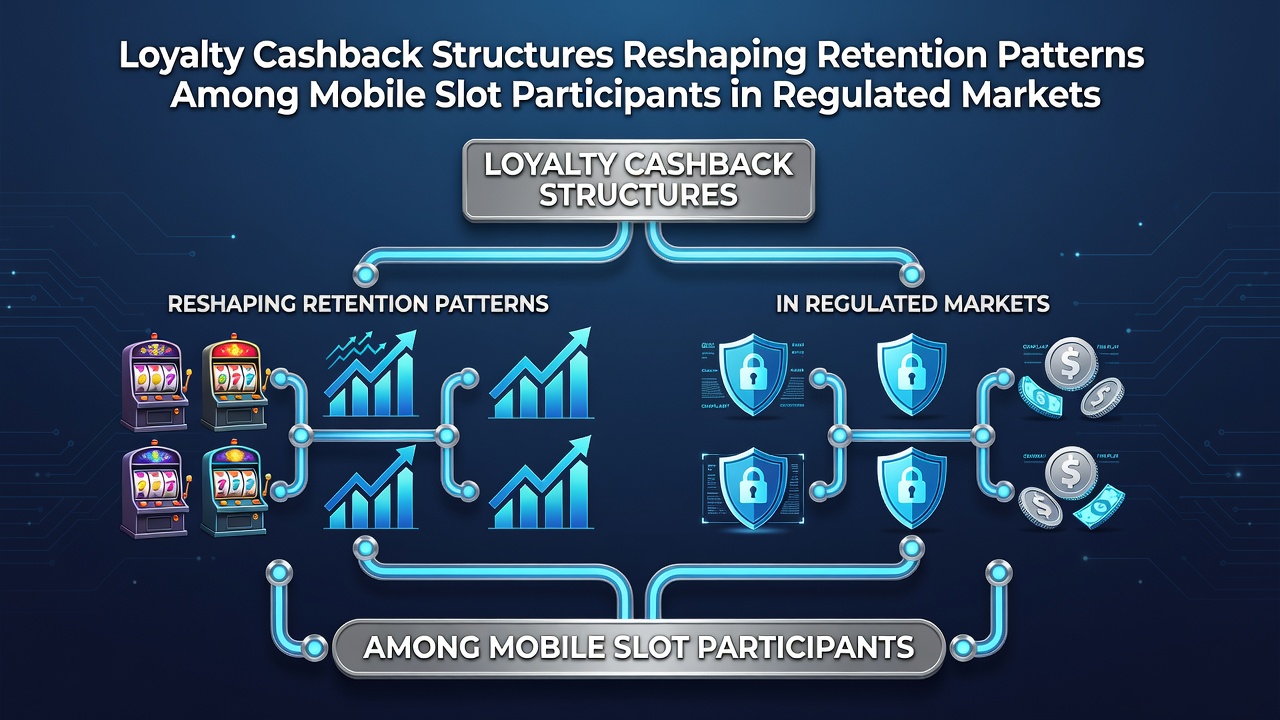
Regulated markets have seen operators implement tiered cashback structures that return a percentage of net losses to mobile slot participants through account credits or bonus funds; these programs operate under strict licensing rules that cap contribution rates and require clear disclosure of terms. Data from multiple jurisdictions shows participation rates climbing steadily since early 2025, with mobile devices accounting for the majority of slot sessions in licensed environments.
Mechanics Behind Cashback Structures
Cashback tiers typically activate after a player reaches defined loss thresholds within a weekly or monthly cycle, and operators calculate returns using formulas that exclude promotional play; regulators in several regions mandate that these calculations appear in player statements so users can track eligibility in real time. Mobile apps integrate these features directly into account dashboards, allowing instant visibility into pending rewards without requiring separate logins or external portals.
One operator in a Canadian province adjusted its cashback schedule in March 2026 to align loss thresholds with average session volumes recorded on smartphones, resulting in higher claim rates among users who favor shorter, repeated play intervals throughout the day. Similar adjustments have appeared in Australian state frameworks where daily loss caps trigger automatic credits that players can convert to cash after meeting wagering conditions set by the local authority.
Retention Patterns Across Device Types
Retention metrics tracked by platform providers indicate that participants enrolled in cashback programs maintain longer account activity spans compared with non-enrolled groups, and the gap widens when sessions occur exclusively on mobile interfaces. Session frequency data reveals that players receiving weekly credits tend to log in on more days per month, although average bet sizes per spin remain consistent with pre-program levels in most reported datasets.
Studies released by the European Gaming and Betting Association in June 2026 examined anonymized transaction logs from multiple operators and found that cashback redemption correlates with a measurable increase in days between first and last deposit within a twelve-month window. The same analysis noted that desktop sessions showed smaller retention lifts, suggesting the convenience of mobile access amplifies the effect of immediate reward notifications.
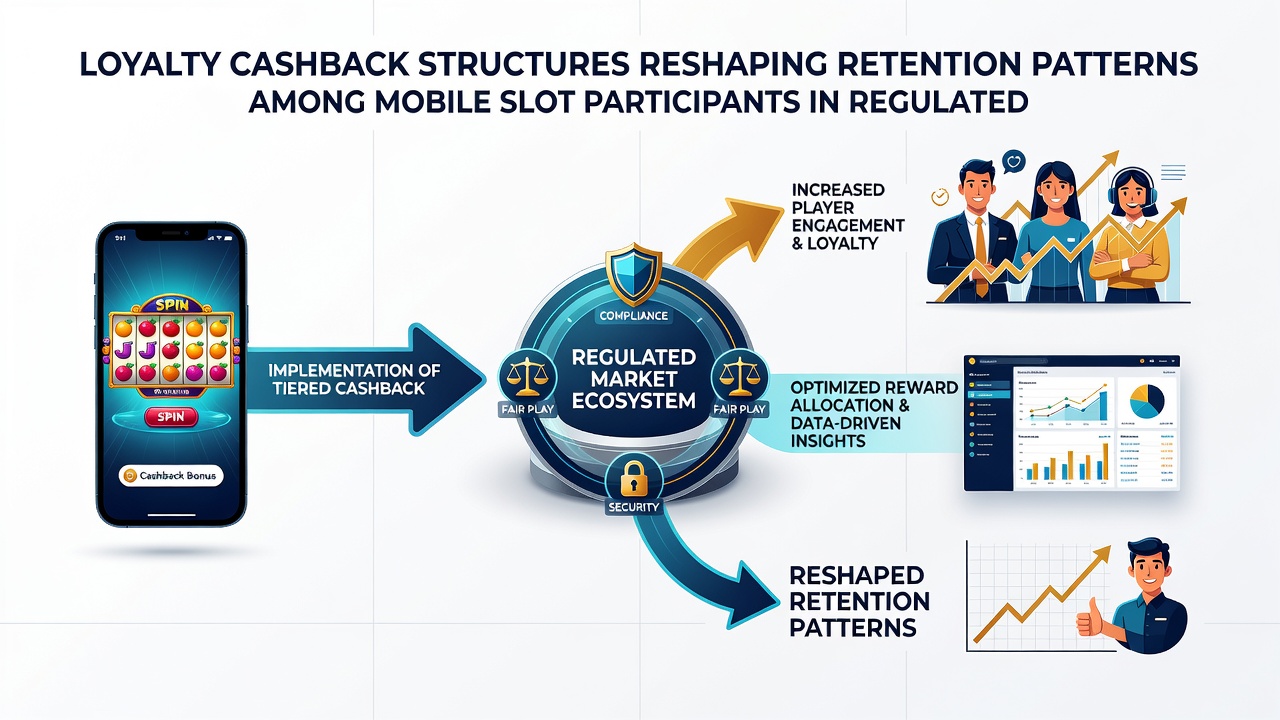
July 2026 figures compiled by several provincial regulators in Canada highlighted that mobile slot accounts with active cashback enrollment posted a 14 percent higher return rate after 90 days compared with accounts outside the program; operators attribute part of this difference to push notifications that remind users of available credits before the expiry window closes.
Regulatory Oversight and Compliance Requirements
Licensing bodies across regulated markets require operators to separate cashback funds from marketing budgets and to report aggregate payout volumes each quarter; these reports feed into broader responsible gambling assessments that track whether reward structures encourage extended play beyond intended limits. Compliance teams conduct periodic audits of algorithm fairness, verifying that loss calculations exclude bets placed with bonus funds and that minimum return percentages meet statutory floors.
Industry reports from the Ontario Lottery and Gaming Corporation have documented how cashback programs must include opt-out mechanisms so participants can decline enrollment without affecting access to other loyalty features; failure to provide such options has led to temporary license reviews in at least two documented cases during the first half of 2026. Operators have responded by embedding clear toggle switches inside mobile account settings, making the choice visible during onboarding flows.
Technology Driving Program Delivery
Backend systems now synchronize cashback calculations with real-time mobile telemetry, updating player ledgers within seconds of each spin result; this speed allows users to see projected credits before a session ends and encourages continued play within the same app window. Integration with secure payment gateways ensures that redeemed cashback converts directly to withdrawable balances once any required playthrough completes, reducing friction that previously caused some rewards to remain unclaimed.
Third-party analytics platforms supply operators with cohort comparisons that isolate the impact of cashback on different age bands and geographic segments; these insights help refine tier thresholds so they match spending patterns observed on smartphones rather than legacy desktop data. As a result, several markets have witnessed a narrowing of retention gaps between urban and regional players who access the same titles through mobile networks.
Conclusion
Cashback structures continue to evolve within regulated frameworks as operators refine thresholds and delivery methods to match mobile usage habits; retention data collected through mid-2026 shows consistent patterns of extended account lifespan when programs operate under transparent rules and timely credit distribution. Future adjustments will likely incorporate additional variables such as session duration caps and cross-game loss aggregation while maintaining compliance with regional disclosure standards.