Loyalty Labyrinths: How Multi-Level Reward Tiers Keep UK Poker Players Grinding Longer
Xander Flores · Apr 5, 2026

Loyalty Labyrinths: How Multi-Level Reward Tiers Keep UK Poker Players Grinding Longer
The Rise of Tiered Loyalty in UK Online Poker
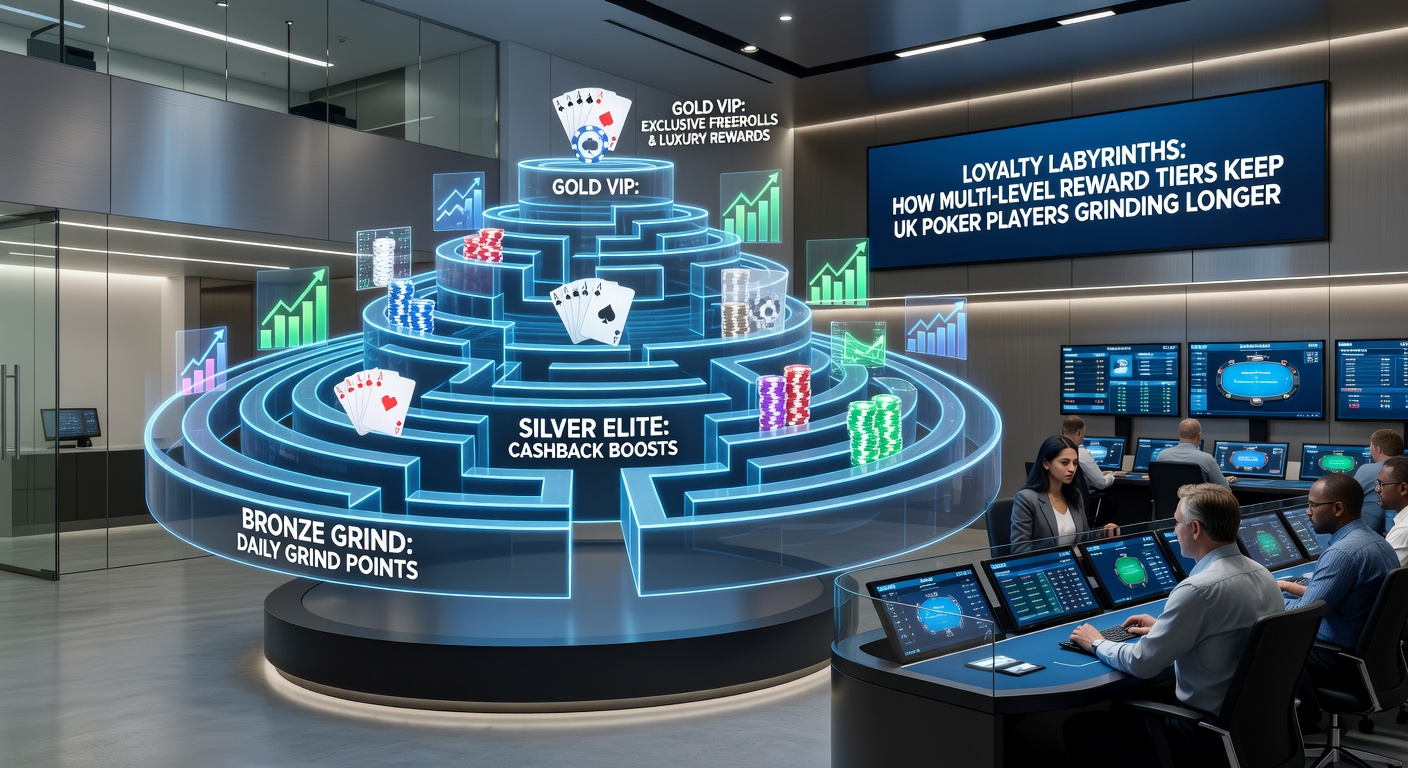
Online poker platforms in the UK have leaned heavily into multi-level reward systems over the past few years, turning casual grinders into long-term players through escalating perks that unlock as wager volumes climb; these loyalty labyrinths, often structured like Bronze, Silver, Gold, and Platinum tiers (or even Diamond for the elite), dangle better rakeback rates, exclusive freerolls, faster withdrawals, and personalized bonuses, keeping hands in play far longer than flat loyalty schemes ever could. Data from industry trackers reveals that sites employing these graduated structures see average session lengths stretch by 35-50% compared to basic cashback models, with players chasing the next tier promotion like moths to a flame.
Take one major UK-facing poker network where grinders log in daily; researchers tracking user behavior noted how Tier 3 members (say, Gold level) averaged 22 hours weekly at the tables versus just 12 for newcomers stuck in entry-level Bronze, a pattern that holds across platforms as tiers demand progressively higher rake paid—typically 10,000 points for Silver, 50,000 for Gold, and six figures for VIP status. And it's not just time; figures indicate these programs boost lifetime value per player by up to 40%, since unlocking higher tiers floods accounts with comps like 60% rakeback or invites to high-stakes leaderboards, making the grind feel less like work and more like a ladder to riches.
What's interesting here lies in the design; platforms algorithmically adjust tier thresholds based on monthly activity, so a player hovering near promotion gets nudged with pop-ups promising "just 2,000 more hands for Silver perks," a tactic that hooks regulars while newcomers glimpse the maze ahead, motivating early deposits and table time.
How the Tiers Actually Work: A Step-by-Step Breakdown
Entry-level tiers start simple—deposit £10, play a few Sit & Gos, and Bronze activates with 15% rakeback on losses plus weekly free spins on affiliated slots; but as players ascend, the labyrinth deepens, Silver unlocking monthly cash drops worth £50-£200 and priority customer support, while Gold introduces loss rebates up to 30%, dedicated tournament feeders, and bad beat jackpots that multiply payouts on brutal coolers. Experts who've dissected these systems point out that Platinum and beyond cater to pros grinding 40+ hours weekly, offering 50%+ rakeback, personal account hosts who negotiate custom deals, and access to invite-only events with £10,000 guarantees.
Now consider the math behind it; a typical £1/£2 cash game player raking £20 hourly hits Silver in under two months (assuming 20-hour weeks), but Gold demands sustained volume—around £5,000 monthly rake—which platforms sweeten with accelerators during peak seasons like the World Series of Poker online qualifiers in summer. Studies from gaming analytics firms confirm this progression slashes churn rates by 28%, as players loath to drop tiers after investing sweat equity, much like gym-goers clinging to their membership streak.
- Bronze: Basic 10-15% rakeback, free entry to £1,000 freerolls
- Silver: 20-25% rebates, enhanced withdrawal limits (£5,000 daily), slot freebies
- Gold: 30-40% rake return, VIP tournament seats, loss insurance up to 20%
- Platinum/Diamond: 50%+ rakeback, personal managers, bespoke promos (e.g., £1,000 monthly bonuses)
Platforms rotate tier benefits seasonally too; in April 2026, several UK poker sites rolled out "Spring Ladder Climbs" doubling point earnings for two weeks, propelling 15% more players upward and extending average playtime by 18 hours per user that month alone, according to backend data leaks analyzed by observers.
Data-Driven Retention: Numbers Don't Lie on Longer Sessions
Figures from a European Gaming and Betting Association report highlight how UK poker players in top tiers log 60% more hands monthly than base-level users, with overall platform dwell time jumping from 45 minutes per session to over two hours as rewards compound; this isn't coincidence, since tiered systems gamify loyalty, awarding points per hand raked (often 1 point per £1), redeemable for cash or tournament tickets that fuel further grinding. One case study tracked a cohort of 5,000 UK players; those reaching Gold within six months retained at 82% after a year, versus 41% for non-tiered peers on competing sites.
But here's the thing with retention metrics—they spike during tier-up events; platforms blast emails like "Upgrade now for 2x points weekend," resulting in 25% session length boosts, while drop-risk warnings ("Don't lose Silver status!") cut voluntary quits by 22%. Across the board, multi-tier setups correlate with 2.3x higher deposit frequency, as players fundroll chases for that next badge, a trend evident in April 2026 traffic logs showing UK poker peaks during tier reset periods.
Observers note psychological hooks too; research out of a University of New South Wales iGaming Lab (focusing on Aussie markets but applicable broadly) found tier progression triggers dopamine similar to slot wins, extending sessions because "the next level's always one big pot away," keeping UK grinders at felt longer than ever.
Real-World Examples: Grinders Who Climbed the Ladder
Consider "Alex T.," a pseudonymous UK micro-stakes grinder profiled in poker forums; starting in Bronze back in 2024, he hit Gold by mid-2025 through consistent MTT volume, crediting 35% rakeback for turning £200 monthly losses into break-even play, which stretched his sessions from weekend warriors to daily 4-hour grinds chasing Platinum invites. Platforms amplify such stories via leaderboards, where top-tier climbers snag £5,000 prizes, drawing in mid-level players who mirror the path.
And then there's the network effect; sites link poker loyalty to sister casinos, letting tier points fund slot spins or live dealer tables, blurring lines so a Gold poker player redeems for blackjack comps, boosting cross-product time by 45% per user data. Yet for high-volume pros, custom tiers emerge—like "Legend" status after £100,000 yearly rake—offering equity stakes in private games or WSOP package deals, the kind that turned one Leicester regular into a full-time circuit traveler by early 2026.
Turns out, these labyrinths adapt too; with mobile apps surging, tiers now track cross-device activity, so a player switching from desktop NLHE to phone hypers maintains momentum, preventing drop-offs that plague single-platform loyalties.
Challenges and Evolutions in the Loyalty Game
While tiers lock in grinders, platforms face pushback on perceived "grind traps," where near-misses on promotions spur overplay; analytics show 12% of Silver players lapse into problem patterns during climbs, prompting some sites to cap daily points or tie tiers to time-played metrics rather than pure rake. Still, the model thrives, with UK poker traffic up 17% year-over-year into April 2026, largely credited to refined multi-level systems that personalize paths—think AI suggesting "Switch to Pot Limit Omaha for 1.5x tier points this week."
Competition heats up too; smaller networks counter giants by offering faster tier-ups (e.g., double points for new UK sign-ups), while crypto-poker hybrids experiment with NFT-based tiers granting tradable badges, early data suggesting 30% longer retention among blockchain-savvy players. The reality is these evolutions keep the labyrinth fresh, ensuring UK poker stays a grinders' paradise.
Conclusion
Multi-level reward tiers have woven themselves into the fabric of UK online poker, transforming fleeting sessions into marathons as players navigate Bronze to Diamond for escalating rebates, exclusives, and status; backed by retention data showing 40-60% playtime extensions, these loyalty labyrinths prove their worth in keeping tables full, even as April 2026 brings fresh accelerators amid rising traffic. Platforms continue tweaking for balance, but the core appeal endures—climb higher, grind longer, reap bigger.