Mobile Ecosystems Driving Live Interactions Between Players and Dealers in Digital Poker
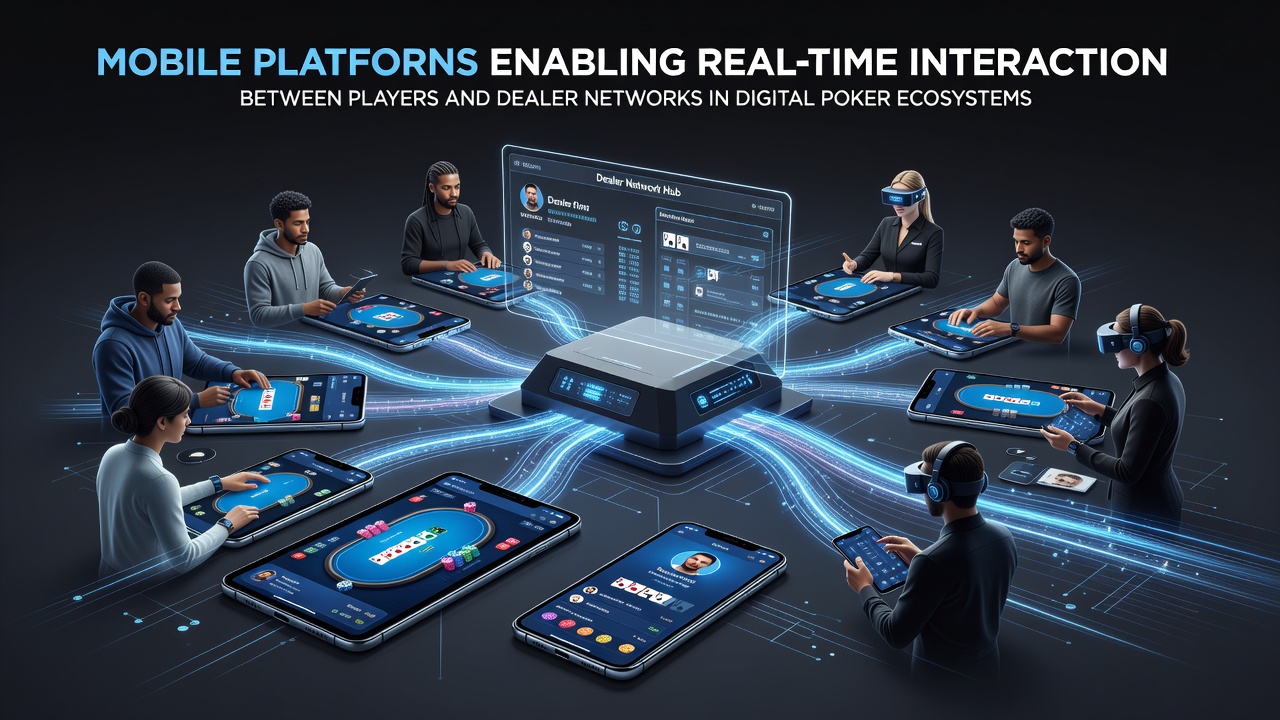
Digital poker has shifted dramatically as mobile platforms now support continuous connections between remote players and centralized dealer networks, with low-latency video streams and synchronized betting interfaces allowing games to proceed without the delays once common on earlier smartphone systems. These setups rely on cloud-based servers that route video feeds from studio-based dealers directly to user devices while maintaining consistent game states across multiple participants, and data from industry reports indicates adoption rates climbed steadily through early 2026 as network infrastructure improved in key markets.
Core Technologies Behind Instant Dealer Connections
Real-time interaction depends on several layered components that mobile platforms integrate into single applications, including adaptive bitrate streaming for video, WebRTC protocols for direct peer-to-peer elements where regulations permit, and backend APIs that update pot sizes plus card distributions within milliseconds of each action. Observers note that 5G rollout in urban areas has reduced average latency below 50 milliseconds for most sessions, which allows dealers to respond to player decisions almost as quickly as they would in physical casinos, while players receive immediate confirmation of raises or folds through on-screen indicators. Research from the University of Nevada's gaming technology lab shows these combined elements create stable environments even during peak evening hours when thousands of tables operate simultaneously.
Dealer Network Operations and Player Feedback Loops
Dealer networks typically operate from dedicated facilities equipped with multiple camera angles plus RFID-enabled tables that track physical cards and chips, feeding information into mobile apps that mirror every movement for remote users. Players interact through built-in chat systems or gesture-based controls that transmit instructions back to dealers in real time, and this two-way flow supports features such as verbal table talk or quick decision timers that keep sessions moving at consistent paces. A report issued by the Canadian Centre for Gaming Research highlights how these networks coordinate across time zones, with shift rotations ensuring dealer availability matches global demand patterns observed in June 2026 data sets.
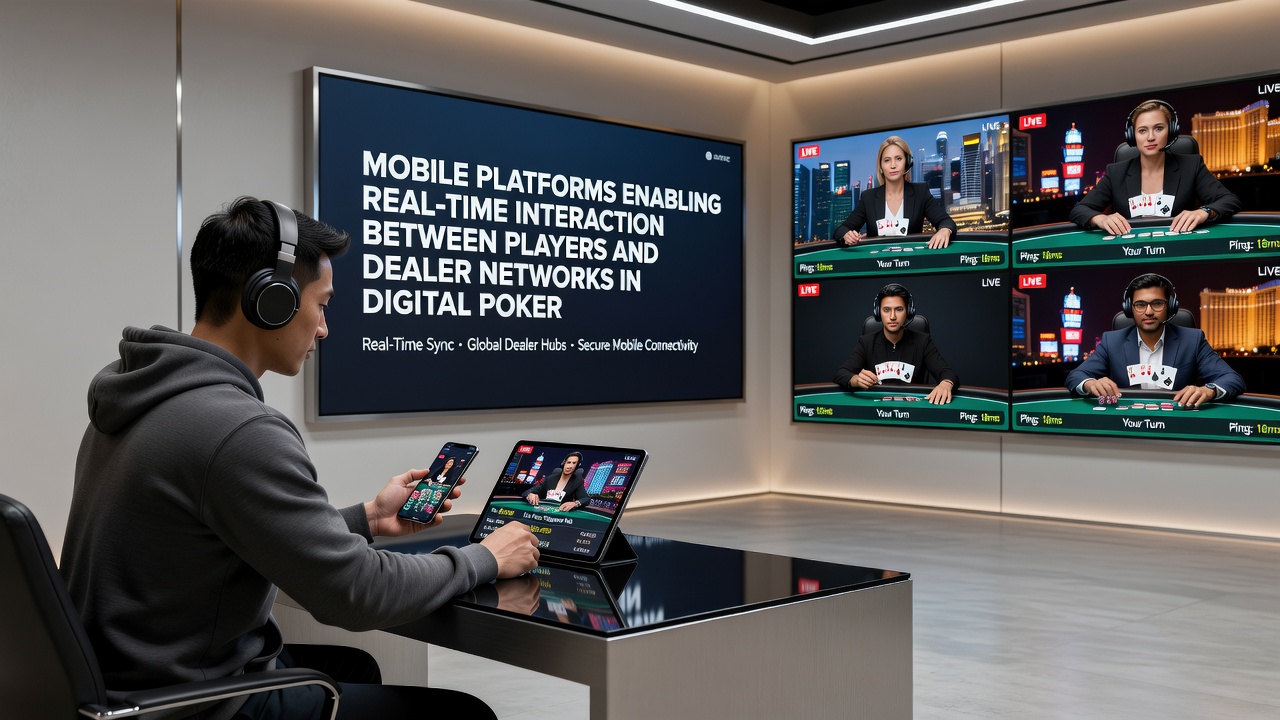
Security protocols run continuously alongside these interactions, employing end-to-end encryption plus device fingerprinting to verify each participant before cards are dealt, and this prevents unauthorized access while still permitting fluid gameplay. Those who've examined system logs from major operators find that mobile sessions now account for over 60 percent of total poker volume in several jurisdictions, largely because interfaces allow seamless transitions between portrait and landscape modes without interrupting dealer feeds.
Regional Regulatory Frameworks Supporting Mobile Growth
Regulatory bodies outside the UK have established clear guidelines that encourage mobile platform development while enforcing standards for fairness and data protection, with Australia's Northern Territory government publishing updated technical requirements in late 2025 that mandate sub-100-millisecond response times for all dealer-to-player communications. Similar frameworks in New Jersey and several EU member states require regular audits of streaming infrastructure, ensuring that dealer networks maintain consistent uptime during live sessions. These rules have prompted operators to invest in redundant server locations that automatically reroute traffic when localized congestion appears, and figures from the European Gaming and Betting Association reveal continued expansion of licensed mobile poker offerings across the continent.
Future Developments in Platform Integration
Developers continue refining augmented reality overlays that could soon let players view dealer actions through their device cameras while maintaining full regulatory compliance, and early tests conducted by operators in controlled markets demonstrate reduced decision errors when visual cues appear alongside standard video feeds. Integration with wearable devices also appears on several roadmaps, allowing notifications or quick-fold commands without requiring full screen engagement. Data indicates these enhancements build directly on existing mobile architectures rather than replacing them, which keeps backward compatibility intact for older handsets still in widespread use.
Conclusion
Mobile platforms have established reliable pathways for real-time dealer and player exchanges within digital poker environments, supported by advancing network capabilities plus structured oversight from multiple regulatory regions. Continued technical refinements point toward even tighter synchronization in upcoming updates, as current systems already demonstrate measurable improvements in session continuity and participant engagement across global user bases.