Referral Networks Integrating Responsible Play Tools Across Slot Platforms
Sofia Frank · Aug 21, 2026
Referral Networks Integrating Responsible Play Tools Across Slot Platforms
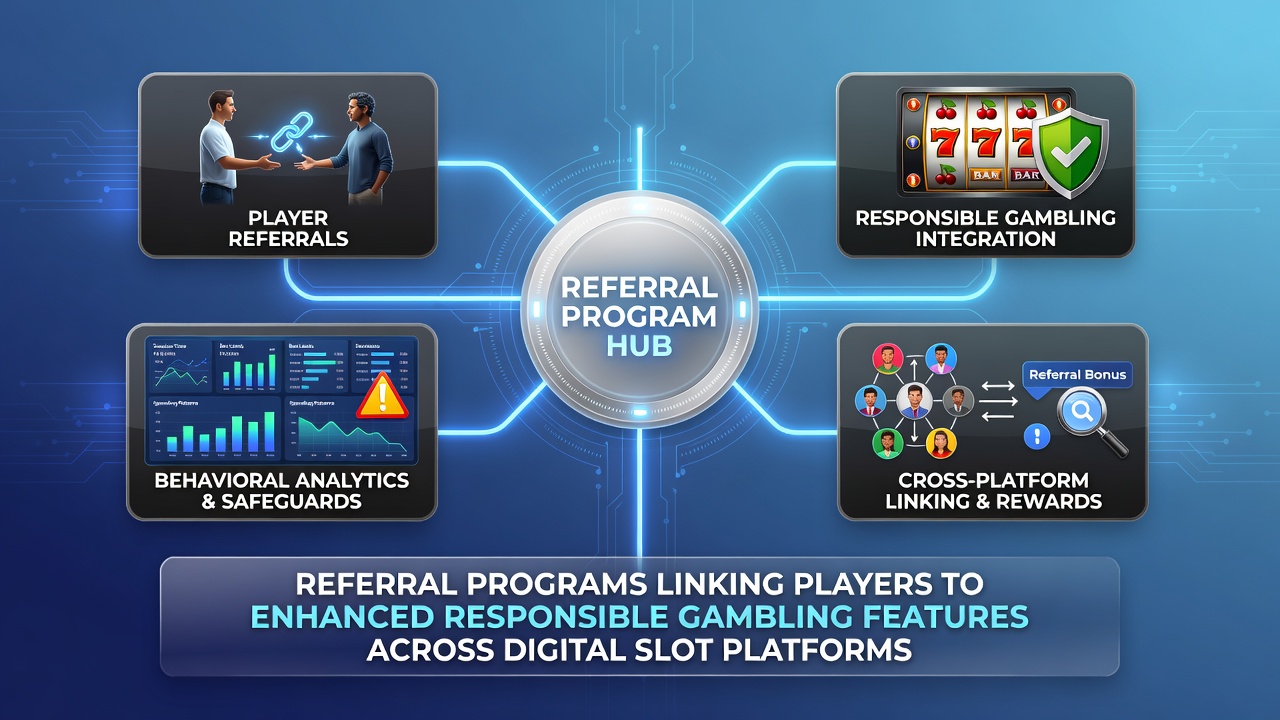
Referral programs on digital slot platforms have evolved to connect new player sign-ups directly with responsible gambling resources, and data from multiple markets shows these systems expanding in 2026. Operators structure incentives so that both referrers and referred players receive access to enhanced limit-setting tools, self-exclusion options, and session reminders once a referral completes. Industry observers note that these linkages appear in platforms operating under licenses from bodies such as the Nevada Gaming Control Board and the Alcohol and Gaming Commission of Ontario.
Mechanics of Referral Integration
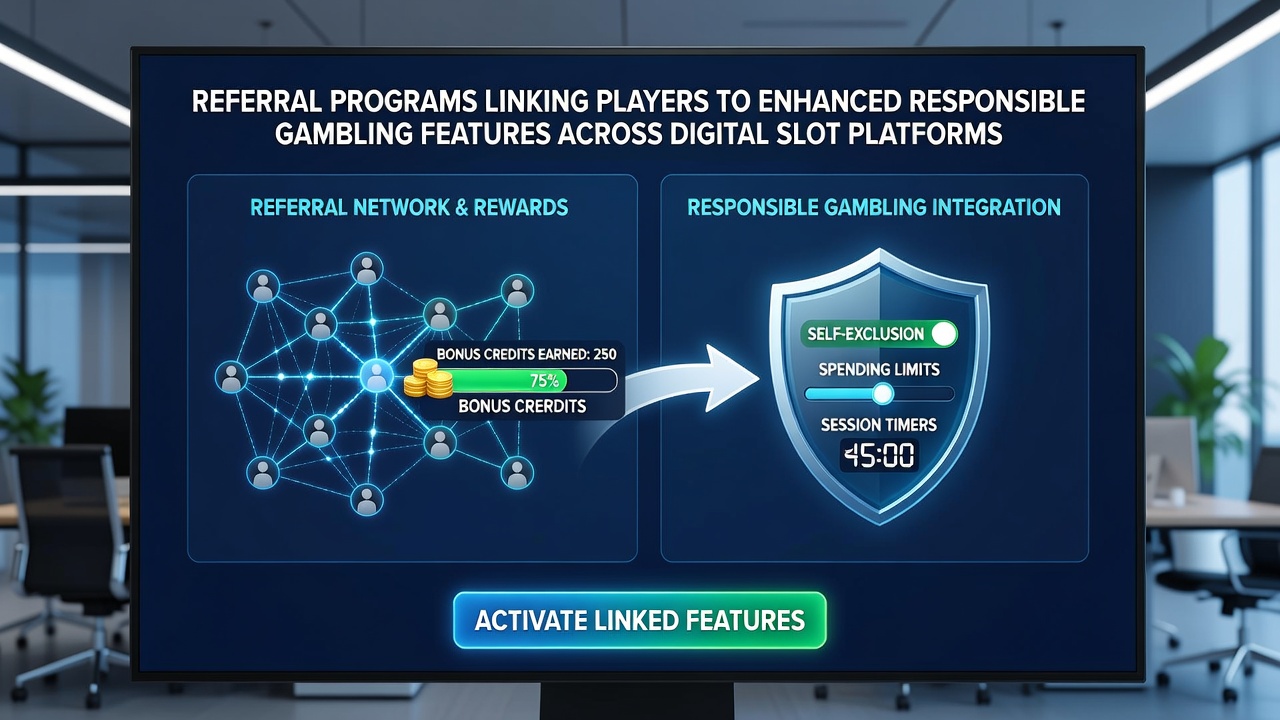
Platform operators typically require referred players to complete a minimum number of verified deposits or play sessions before rewards activate, and the same thresholds often trigger enrollment in responsible gambling modules. Referral bonuses may include deposit matches alongside automatic activation of reality-check prompts that interrupt play every thirty minutes. Those who study player behavior patterns report that platforms track referral chains through unique codes, allowing operators to monitor whether referred users engage with limit tools at higher rates than non-referred users. In August 2026 several major platforms updated their terms to display responsible gambling enrollment as a default step during the referral onboarding flow.
Responsible Gambling Features Delivered Through Referrals
Enhanced features commonly include customizable deposit caps, loss limits, and time-based session caps that referred players can adjust within the first twenty-four hours of account creation. Some programs also grant access to voluntary exclusion lists that extend across multiple operators when a player opts in during the referral process. Research compiled by the National Council on Problem Gambling indicates that players who receive these tools early in their account lifecycle show measurable differences in session length compared with those who encounter the tools later. Platforms further integrate educational modules that explain probability and house edge, and completion of these modules sometimes unlocks additional referral credit for the original referrer.
Regional Implementation Patterns
Operators licensed in multiple jurisdictions adapt referral structures to local regulatory expectations while maintaining core linkages to responsible gambling features. In jurisdictions overseen by the Alcohol and Gaming Commission of Ontario, platforms must record whether referred players activate any limit tools within seven days of registration. European operators licensed under the Malta Gaming Authority apply similar tracking but focus on cross-border referral data sharing agreements that allow responsible gambling flags to travel with the player account. Australian state regulators, including those in New South Wales, require operators to publish aggregated referral-to-tool-activation statistics on a quarterly basis, creating a public dataset that researchers can analyze for trends.
Measurement and Reporting Practices
Operators collect metrics that compare referral conversion rates against responsible gambling feature uptake, and several platforms publish anonymized summaries through industry associations. One analysis released by the Canadian Centre on Substance Use and Addiction examined referral cohorts from 2024 through mid-2026 and found that referred players activated at least one limit tool at rates approximately twelve percent higher than players acquired through standard advertising channels. Platforms also log instances where referrers receive bonus credit only after the referred player maintains active use of session reminders for a defined period. These conditional reward structures create an observable feedback loop between acquisition and ongoing responsible play practices.
Technical Delivery Methods
Modern referral systems embed responsible gambling prompts directly into the account dashboard that appears immediately after a successful referral code redemption. Push notifications and in-game banners remind players of available tools, and some platforms allow players to set these reminders as part of the initial referral reward claim process. Backend systems link referral status flags to player risk profiles so that individuals flagged for higher play intensity receive prioritized prompts to review their limits. Data exchange protocols between operators and third-party responsible gambling service providers ensure that self-exclusion requests initiated through referral-linked accounts propagate across partner platforms within the same regulatory market.
Conclusion
Referral programs that tie player acquisition to responsible gambling feature activation continue to develop across digital slot platforms in multiple regulated markets. Reporting from licensing authorities and independent research groups documents measurable differences in tool adoption rates between referred and non-referred cohorts. As platforms refine these linkages, the available data sets grow, giving regulators and operators clearer pictures of how acquisition incentives interact with player protection mechanisms.