Reward Algorithms Bridging Mobile Interfaces and Live Dealer Formats for Extended Play
Hugo Schmitt · Aug 11, 2026
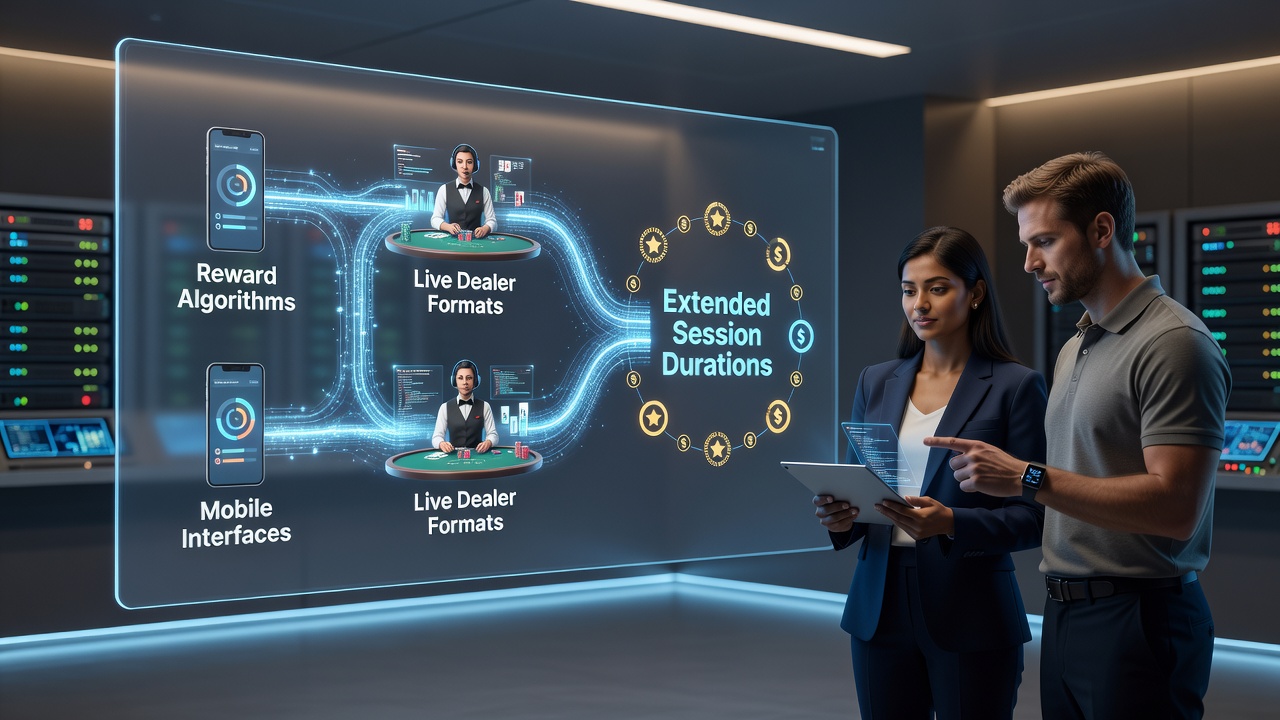
Reward Algorithms Bridging Mobile Interfaces and Live Dealer Formats for Extended Play
Reward algorithms operate by analyzing real-time user data from mobile interfaces and feeding those insights directly into live dealer environments so that personalized incentives appear at precise moments during gameplay. These systems track metrics such as session length, bet frequency, and interaction patterns, then adjust bonus triggers to maintain continuity between the solitary mobile experience and the social elements of live tables. Industry reports indicate that this synchronization relies on low-latency data pipelines that update player profiles within seconds, allowing a dealer-hosted blackjack round to reference the same loyalty points accumulated during an earlier slot session on the same device.
Data Integration Across Platforms
Operators deploy unified player profiles that merge inputs from mobile touch gestures with actions performed at live dealer tables, creating a single data stream that algorithms use to calculate reward eligibility. According to research from the University of Nevada's gaming studies program, such profiles reduce friction by pre-loading interface elements like quick-bet buttons that mirror the pacing of live streams. This approach ensures that a player switching from portrait-mode mobile slots to a landscape live roulette table encounters consistent reward notifications without manual account checks.
Live dealer platforms incorporate API connections that pull mobile session data in real time, enabling algorithms to time promotions such as cashback offers or multiplier boosts during dealer interactions. Figures from the Canadian Gaming Association reveal that platforms using these connections saw average session extensions of 12 to 18 minutes per user in controlled tests conducted through mid-2026. Observers note that the algorithms prioritize high-engagement windows, such as the moments immediately after a live dealer round concludes, to present mobile-specific rewards that encourage continued play on the same device.
Personalization Mechanisms
Algorithms segment users based on behavioral clusters derived from mobile telemetry and live table history, then apply tailored reward sequences that adapt as sessions progress. A player who frequently uses mobile quick-spin features might receive live dealer bonuses that activate after similar rapid decisions at the table, while another user with longer deliberation patterns encounters delayed but larger incentives. This segmentation draws on machine learning models trained on anonymized datasets, allowing the system to predict when engagement might decline and intervene with relevant offers.
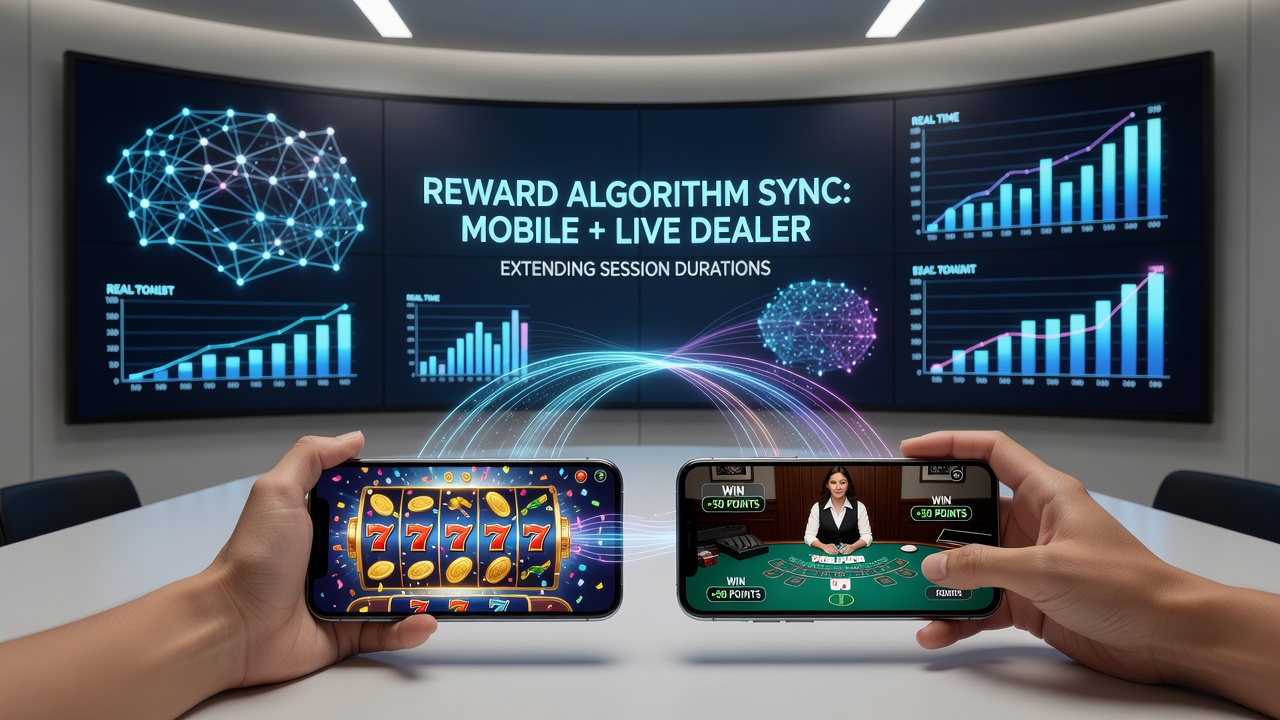
What's interesting is how these models incorporate device-specific variables, such as screen size and connection stability, to adjust reward presentation formats. On smaller mobile screens, algorithms favor compact notification banners that overlay the live video feed without disrupting visibility, whereas larger tablets receive expanded progress trackers tied to the same underlying session data. Data compiled by the Nevada Gaming Control Board through August 2026 shows that operators employing device-aware adjustments maintained higher retention rates across varying hardware types compared with static reward systems.
Session Extension Techniques
Techniques include dynamic threshold adjustments where the algorithm lowers the criteria for bonus activation if mobile engagement metrics dip during a live dealer transition. For example, a player completing a mobile deposit might unlock a live table entry bonus that appears automatically once the dealer stream loads, reducing the perceived gap between formats. Researchers at the Australian Gambling Research Centre documented similar patterns in 2025 reports, noting that seamless reward delivery correlates with fewer session terminations at format switches.
Additional layers involve streak-based rewards that span both mobile and live components, such as consecutive wins tracked across a mobile slot round and a subsequent live poker hand. These streaks trigger escalating incentives delivered through the mobile interface even while the live dealer remains active, creating a unified progression loop. Industry organizations like the European Gaming and Betting Association have highlighted in their technical briefs that such cross-format streaks rely on synchronized timestamps to prevent discrepancies in reward eligibility.
Technical Infrastructure Supporting Sync
Backend systems utilize edge computing nodes positioned near data centers serving live dealer streams, which minimizes delays when mobile reward engines query or update shared player states. This setup allows algorithms to process thousands of simultaneous sessions without visible lag on the user end. Encryption protocols protect the data flows between mobile clients and live platforms, ensuring compliance with regional standards while maintaining the speed required for real-time personalization.
Testing protocols involve simulated user flows that replicate peak-hour conditions, with algorithms refined based on observed drop-off points during format changes. Those who've studied these systems note that iterative updates to the models often focus on refining the timing of reward displays rather than increasing their frequency, preserving player trust while extending overall engagement.
Conclusion
Overall, reward algorithms achieve synchronization between mobile interfaces and live dealer formats through integrated data profiles, adaptive personalization, and low-latency infrastructure that together support longer continuous sessions. Evidence from multiple regulatory and academic sources confirms these mechanisms operate on objective behavioral signals rather than fixed schedules, allowing platforms to respond dynamically to individual patterns observed through August 2026 and beyond.