Reward Loops Within Loyalty Programs Transform Habits in Regulated Mobile Table Games
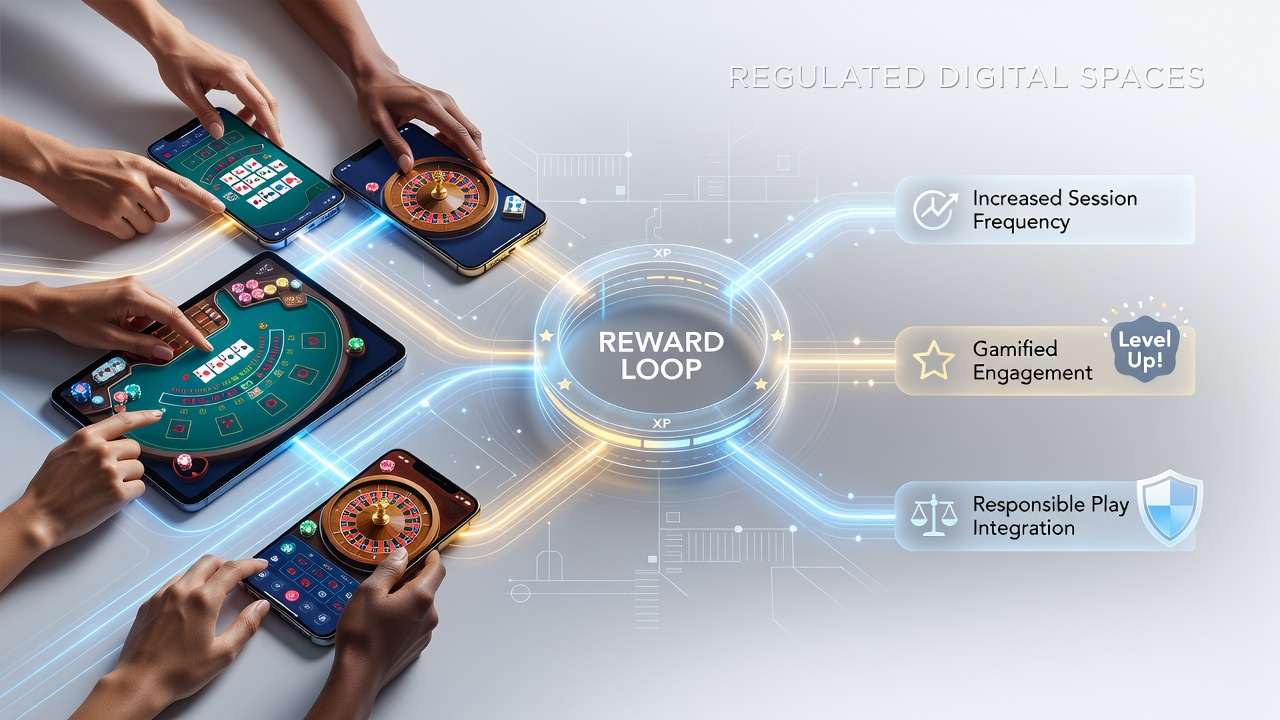
Operators across regulated digital platforms have integrated reward loops into loyalty schemes, and these systems now guide session lengths along with game selection patterns among mobile table game users. Data from industry reports indicate that structured point accumulation and tiered benefits encourage repeated engagement in blackjack, roulette, and poker variants on smartphones and tablets. Players accumulate credits through consistent play, which then unlock multipliers or exclusive tables, creating cycles that extend time spent within licensed environments.
Research from the University of Nevada's gaming studies program shows participation rates in mobile table games rose steadily through early 2026, with loyalty features contributing to measurable shifts in average session duration. Those who've examined operator analytics note that users who reach intermediate reward tiers often return within shorter intervals compared to non-members. The mechanisms operate through daily login bonuses combined with in-game achievements, which feed directly into personalized offers delivered via app notifications.
Mechanics Driving Player Retention
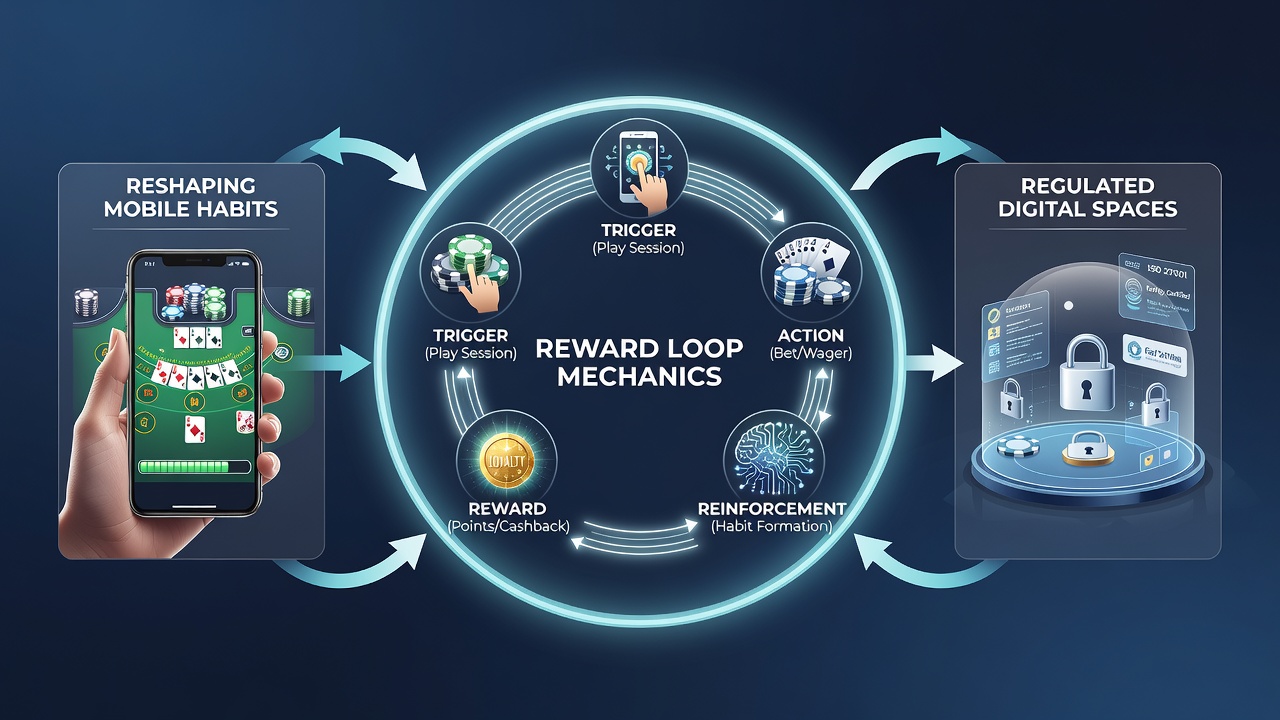
Loyalty frameworks rely on variable reward schedules that mirror principles observed in behavioral studies, where unpredictable bonus triggers maintain higher engagement levels than fixed payouts. In practice, a player completing a set number of roulette spins might receive surprise free bets, while consistent blackjack participants unlock faster withdrawal processing or reduced house edge promotions. These elements combine to form loops because each reward prompts additional play to reach the next milestone, and operators track these patterns through backend systems that adjust offers in real time.
Figures released in June 2026 from North American regulatory filings reveal increased mobile table game handle across multiple jurisdictions, coinciding with expanded loyalty integrations. Operators report that segmented player groups respond differently, with high-frequency users advancing through tiers more rapidly while casual participants linger at entry levels. The result appears in aggregated data as sustained weekly active user counts rather than sharp spikes followed by drop-offs.
Regional Patterns in Regulated Markets
Across European and Australian licensed platforms, similar reward structures have produced parallel changes in table game preferences. Mobile users increasingly favor games that incorporate progress tracking elements, such as streak-based multipliers in poker tournaments or cumulative chip rewards in live dealer formats. According to information published by the Australian Communications and Media Authority, digital wagering volumes in table game categories showed steady month-over-month growth during the first half of 2026, with loyalty-linked accounts demonstrating longer average play windows.
Observers tracking cross-border trends point to standardized compliance requirements that shape how these loops function. Regulated operators must document reward distribution to prevent excessive play encouragement, yet the systems still generate measurable habit formation through transparent point ledgers adn achievement badges. Players often discover that completing one loop opens access to higher-stakes tables or themed events, which further reinforces continued participation.
Technology Supporting Seamless Integration
Backend platforms now synchronize loyalty data with game servers so that rewards appear instantly during active sessions, reducing friction that previously interrupted mobile play. Push notifications triggered by near-milestone status prompt users to complete another round or switch to a different table variant, and these alerts operate within strict regulatory guidelines that limit frequency and content. Developers have introduced modular reward modules that operators can activate across multiple titles without rebuilding entire applications.
Case examples from Canadian provincial operators illustrate how integrated systems track cross-game progress, allowing points earned in mobile blackjack to contribute toward poker tournament entry. This interconnected approach creates broader loops that span several game types rather than isolating rewards to single titles. Data indicates users who engage with multi-game loyalty paths maintain accounts longer than those limited to isolated promotions.
Future Developments in Reward Design
Industry analyses suggest continued refinement of these loops through machine learning models that predict optimal reward timing for individual accounts. While core structures remain consistent, personalization layers adjust the size and type of incentives based on historical behavior patterns. Regulated environments require ongoing audits of these algorithms to ensure fairness and transparency, yet the underlying loop dynamics persist across updates.
Evidence from multiple licensing regions shows that loyalty participants generate a disproportionate share of table game activity compared to non-enrolled users. This distribution holds even when controlling for deposit frequency, pointing to the structural influence of reward progression on session habits. Mobile interfaces have adapted accordingly, with prominent progress bars and quick-access reward menus becoming standard features in updated applications.
Conclusion
Reward loops embedded in loyalty schemes continue to influence how players interact with mobile table games inside regulated digital spaces. The combination of point systems, tier benefits, and real-time notifications sustains engagement patterns that operators monitor through detailed analytics. As technology advances and regulatory frameworks evolve, these mechanisms will likely incorporate additional data points while maintaining their fundamental role in shaping play cycles across licensed platforms.