The Algorithms Powering Personalized Casino Recommendations on Smartphones
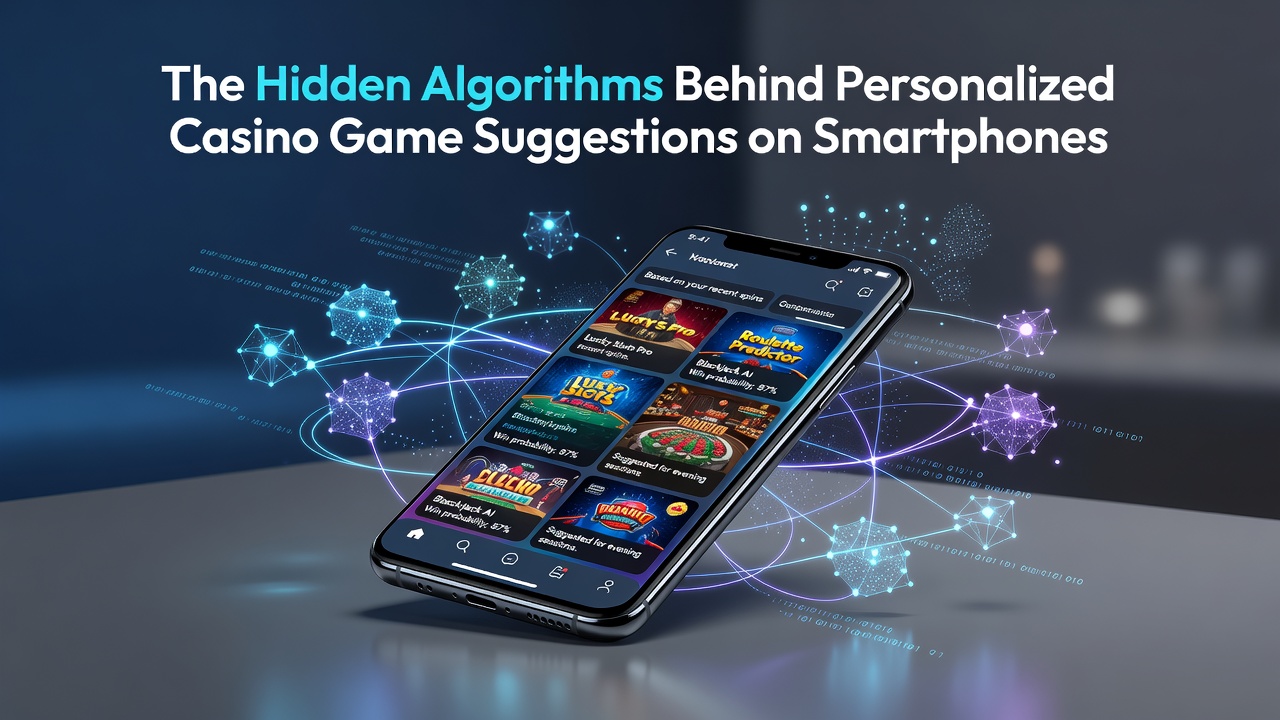 Mobile casino applications rely on sophisticated algorithms to deliver game suggestions that match individual player patterns, and these systems draw from multiple data streams collected during each session. Developers integrate machine learning models that process information such as play frequency, session duration, preferred game types, and even device orientation to refine outputs in real time. This approach allows platforms to surface titles that align with observed behaviors rather than generic popular lists. Data collection begins the moment a user opens an app. Location services, time of day, and previous interaction logs feed into centralized databases where pattern recognition engines categorize users into dynamic segments. These segments update continuously as new actions occur, which means suggestions evolve within a single session. Industry reports indicate that such systems can adjust recommendations dozens of times per hour based on immediate feedback like spin speed or bet size adjustments.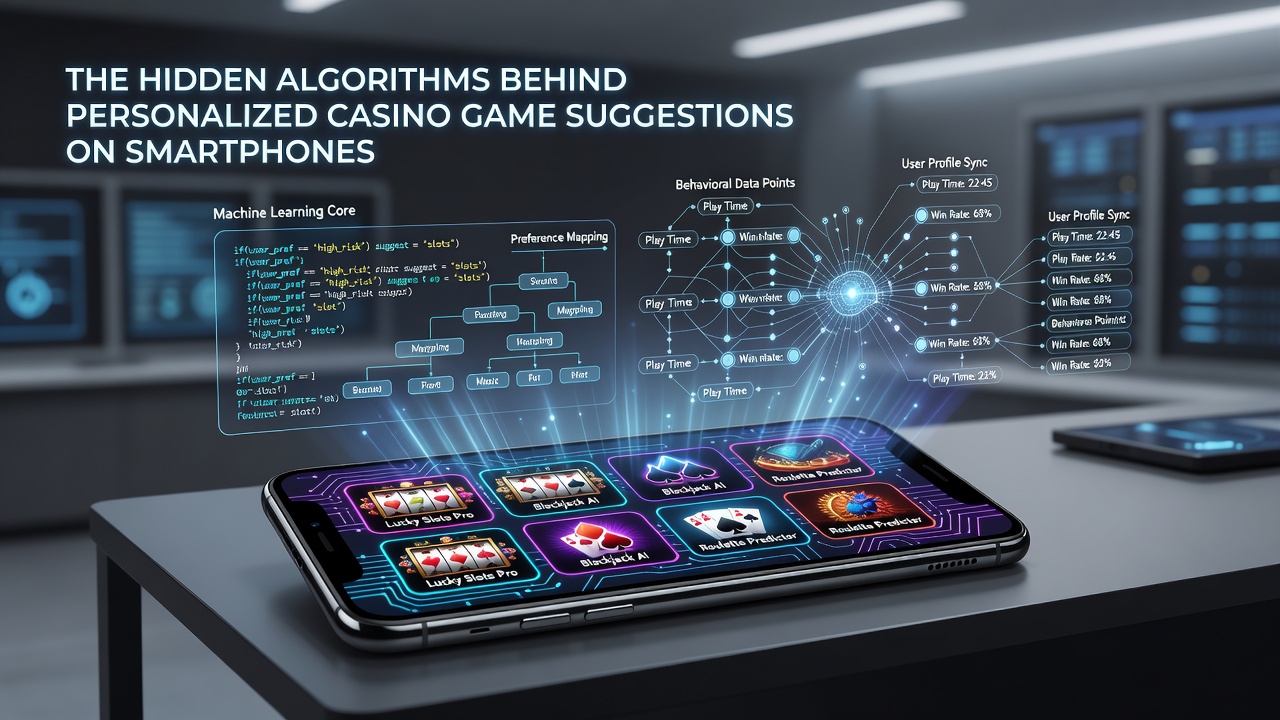
Mobile casino applications rely on sophisticated algorithms to deliver game suggestions that match individual player patterns, and these systems draw from multiple data streams collected during each session. Developers integrate machine learning models that process information such as play frequency, session duration, preferred game types, and even device orientation to refine outputs in real time. This approach allows platforms to surface titles that align with observed behaviors rather than generic popular lists. Data collection begins the moment a user opens an app. Location services, time of day, and previous interaction logs feed into centralized databases where pattern recognition engines categorize users into dynamic segments. These segments update continuously as new actions occur, which means suggestions evolve within a single session. Industry reports indicate that such systems can adjust recommendations dozens of times per hour based on immediate feedback like spin speed or bet size adjustments.Core Techniques Behind the Suggestions
Several established methods work together to generate these personalized outputs. Collaborative filtering compares one user's history against thousands of others to identify similar profiles and borrow their preferences. Content-based filtering instead examines attributes of games already played, such as volatility levels or theme elements, then matches those features to untried titles. Reinforcement learning layers add another dimension by testing small variations in suggestion order and measuring click-through rates to improve future decisions. Researchers at institutions including the University of Nevada have documented how hybrid models combining these techniques outperform single-method approaches in mobile environments. The hybrid systems balance exploration of new games with exploitation of proven favorites, creating suggestion lists that feel both familiar and fresh. Processing happens mostly on remote servers to conserve phone battery and storage, though some lightweight models now run locally for faster initial responses.Key Variables That Shape Outputs
Algorithms weigh numerous inputs when ranking games for display. Time-based signals prove especially influential, with morning sessions often receiving different suggestions than late-night ones because usage data shows distinct preference clusters. Device characteristics matter too: older phones might see simpler graphics options prioritized, while newer models receive high-definition slots pushed earlier in the feed. Geographic data influences results when regional regulations or cultural preferences appear in aggregate trends. Payment method history and deposit frequency also factor in, since these correlate with spending patterns that algorithms use to calibrate risk profiles. Observers note that push notifications tied to these variables can increase engagement rates, though exact lift percentages vary across operators.