Tracking Tools Take Center Stage as Apps Push Real-Time Spend Alerts to Users
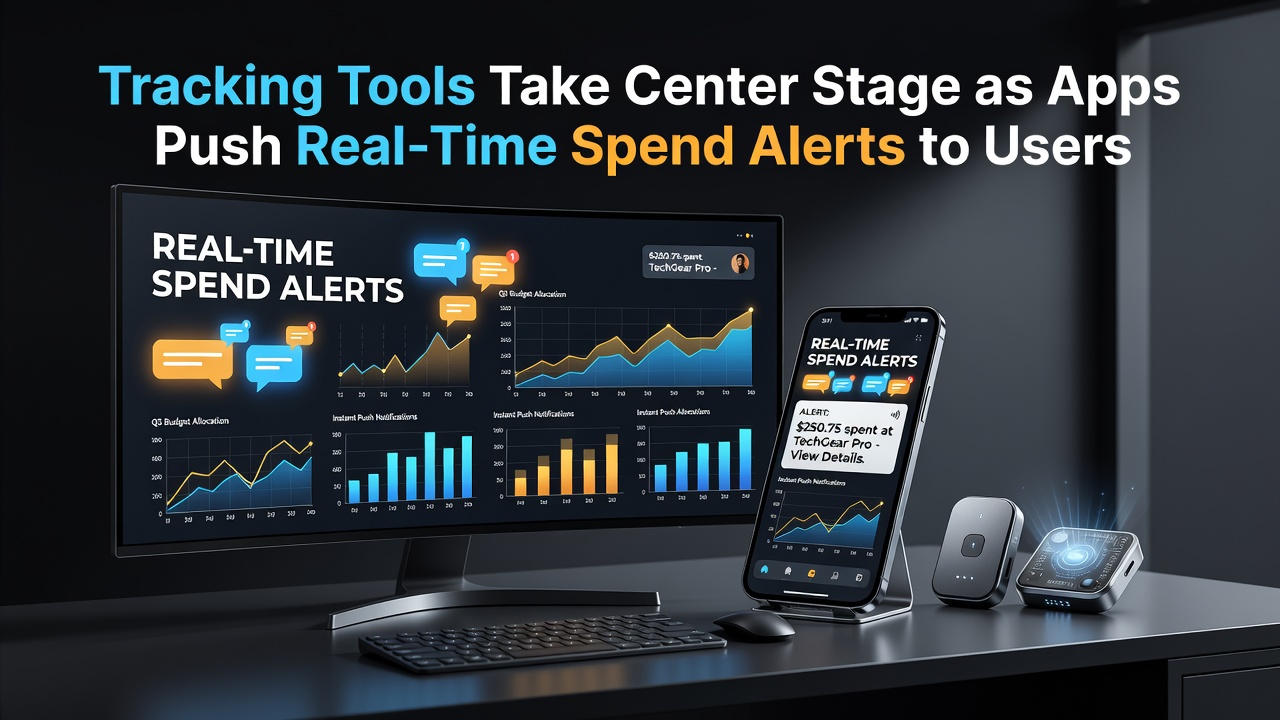
Apps across financial and entertainment sectors have integrated advanced tracking mechanisms that deliver immediate notifications about user expenditures, and this shift gained momentum through 2025 and into June 2026 as developers responded to regulatory expectations and user demand for greater visibility. Real-time spend alerts function by monitoring transaction data within milliseconds, then triggering notifications via push messages or in-app banners that detail current balances, session totals, and projected limits. These systems rely on backend algorithms that aggregate data from multiple sources including bank APIs, payment processors, and internal ledgers while maintaining encryption standards set by international frameworks such as those outlined in the European Union's digital finance regulations.
Core Mechanics Behind Real-Time Tracking Implementation
Developers build these tools around event-driven architectures where each transaction event triggers an instantaneous calculation against predefined thresholds, and users receive alerts when spending approaches or exceeds set parameters such as daily, weekly, or monthly caps. Data indicates that integration often occurs through modular SDKs that connect to existing app infrastructures without requiring full rewrites, which allows smaller operators to adopt the technology rapidly. Studies from academic institutions including the University of Nevada's gaming research division show that alert frequency correlates with session length reductions in controlled trials, although outcomes vary based on user engagement levels and notification customization options.
Hardware sensors on modern smartphones contribute additional context by detecting location changes or usage patterns that might influence spending behavior, while machine learning models refine alert relevance over time through analysis of historical interactions. Observers note that privacy safeguards remain central during rollout, with data minimization principles applied to ensure only necessary transaction metadata reaches the alert engine.
Adoption Patterns Across Mobile Platforms
Financial apps led early adoption phases yet entertainment platforms followed closely, incorporating similar features by mid-2025 as competition intensified for user retention. Figures from industry associations reveal that over 60 percent of leading mobile applications in regulated markets added real-time tracking modules within an 18-month window ending in June 2026, driven partly by updates to payment interface standards that simplified data access. Users encounter these tools during onboarding processes where they set initial limits, then receive ongoing feedback loops that display visual breakdowns such as pie charts or progress bars updated live.
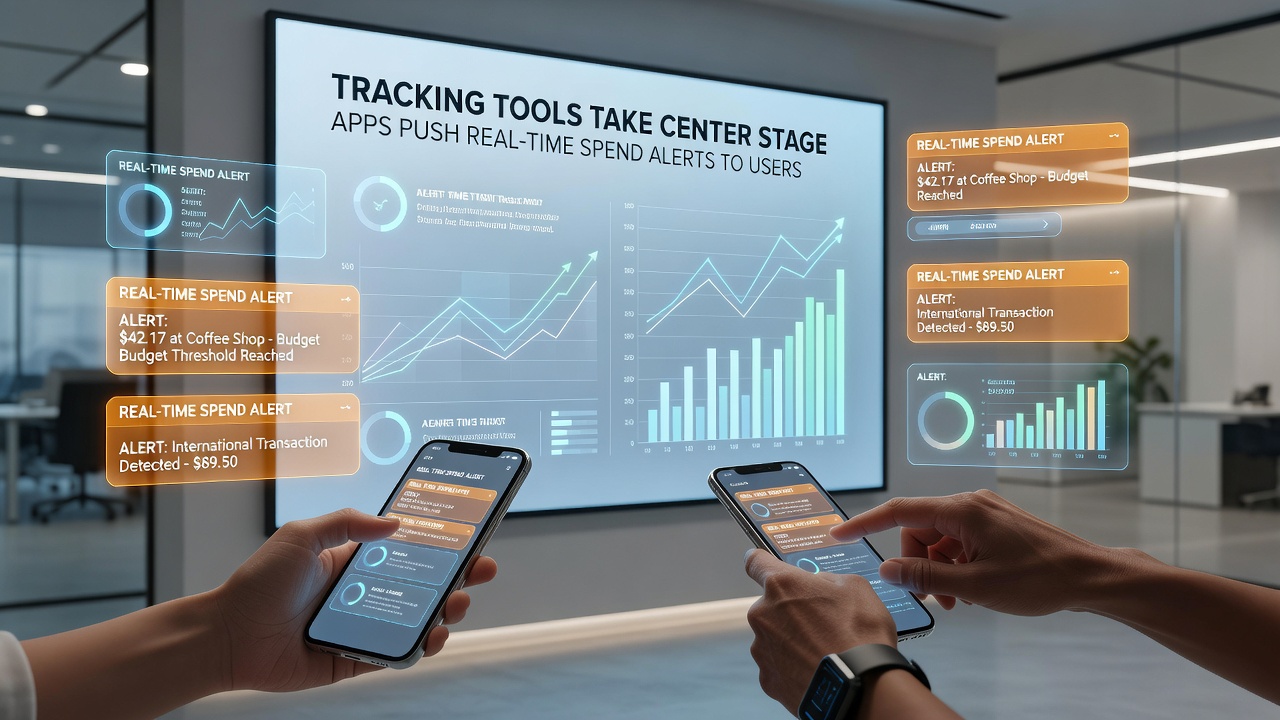
One notable implementation involves layered alert systems that combine gentle reminders with stronger interventions, such as temporary pauses on further activity once thresholds activate. Research indicates these graduated approaches produce higher compliance rates compared to binary stop mechanisms alone, and operators report measurable decreases in support ticket volumes related to unexpected charges. Geographic variation appears significant, with North American and Australian markets showing faster uptake due to established responsible play initiatives from bodies like the National Council on Problem Gambling and state-level gaming commissions.
Technical Challenges and Solutions in Deployment
Latency remains a primary concern during high-volume periods because simultaneous transactions can overwhelm notification queues, yet developers mitigate this through distributed cloud processing and edge computing nodes positioned closer to user devices. Security audits conducted by independent firms confirm that end-to-end encryption paired with tokenization prevents exposure of sensitive account details during alert transmission. Compatibility testing across operating systems ensures consistent performance on both iOS and Android ecosystems, although variations in background refresh permissions sometimes require platform-specific adjustments.
Integration with third-party analytics providers allows deeper insights into aggregate trends without compromising individual anonymity, and these partnerships yield datasets that inform future refinements. Experts have observed that A/B testing of alert phrasing and timing leads to optimized user responses, with neutral language outperforming urgent tones in sustaining long-term engagement.
Regulatory Landscape and Industry Standards
Government agencies outside the United Kingdom have issued guidelines encouraging or mandating real-time disclosure features, including directives from the Australian Communications and Media Authority that emphasize transparency in digital wagering environments. Compliance frameworks require documentation of alert delivery rates alongside user acknowledgment logs, creating audit trails that demonstrate adherence. Industry groups such as the European Gaming and Betting Association have published best practice documents that outline minimum notification frequencies and data retention periods, fostering consistency across borders while allowing room for innovation.
Collaboration between regulators and technologists continues through working groups that evaluate emerging standards for biometric confirmation of limit changes, adding another layer of verification before adjustments take effect. Data shows these measures address concerns around impulsive modifications while preserving user autonomy.
Future Developments in Alert Personalization
Artificial intelligence enhancements promise more nuanced predictions by factoring in contextual variables like time of day or recent activity sequences, enabling proactive suggestions rather than reactive warnings alone. Pilot programs launched in early 2026 tested voice-activated summaries of spending history delivered through smart assistants, expanding accessibility for users who prefer auditory feedback. Continued investment in these areas stems from evidence that personalized interfaces increase voluntary adherence compared to generic templates.
Conclusion
Real-time spend tracking has become a standard component within modern applications as platforms prioritize immediate feedback mechanisms, supported by technical advancements and cross-jurisdictional policy alignment. Implementation details vary yet share common foundations in data processing speed, user customization, and privacy protections, with ongoing refinements expected through collaborative research and standardized reporting practices.