Virtual Reality Poker Tables Transform Player Engagement Across Britain
Finley Becker · Aug 16, 2026
Virtual Reality Poker Tables Transform Player Engagement Across Britain
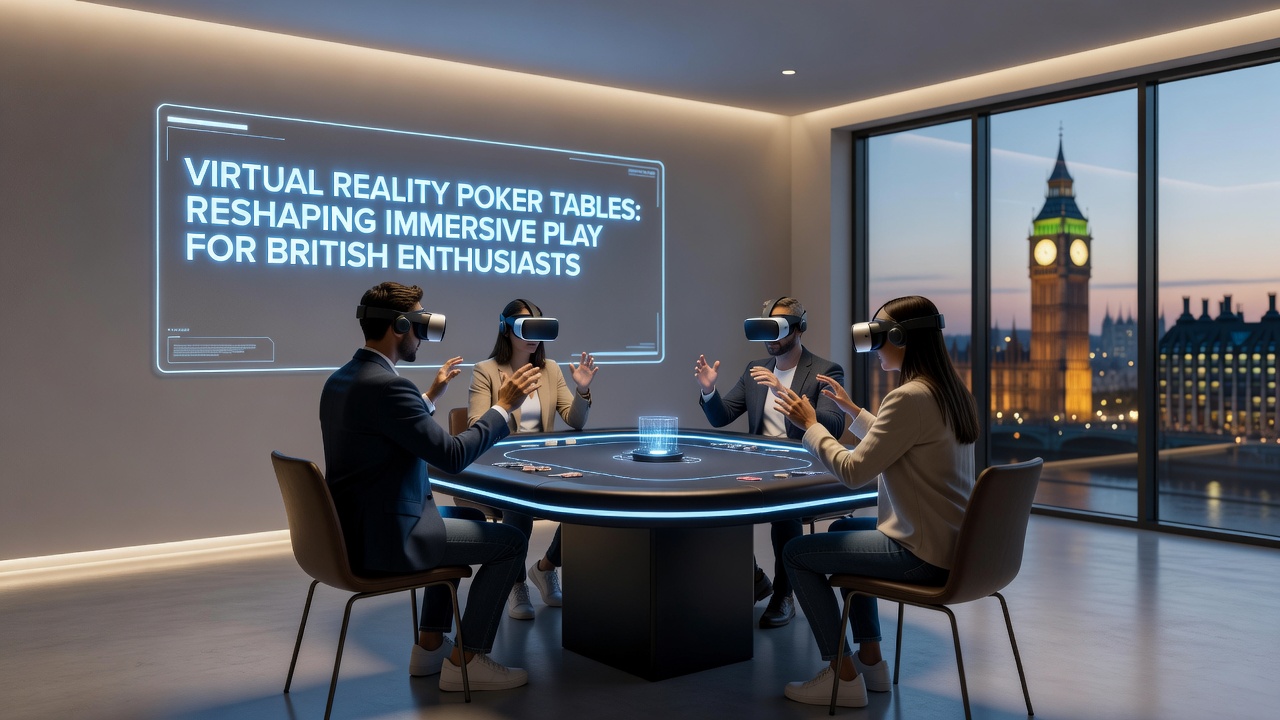
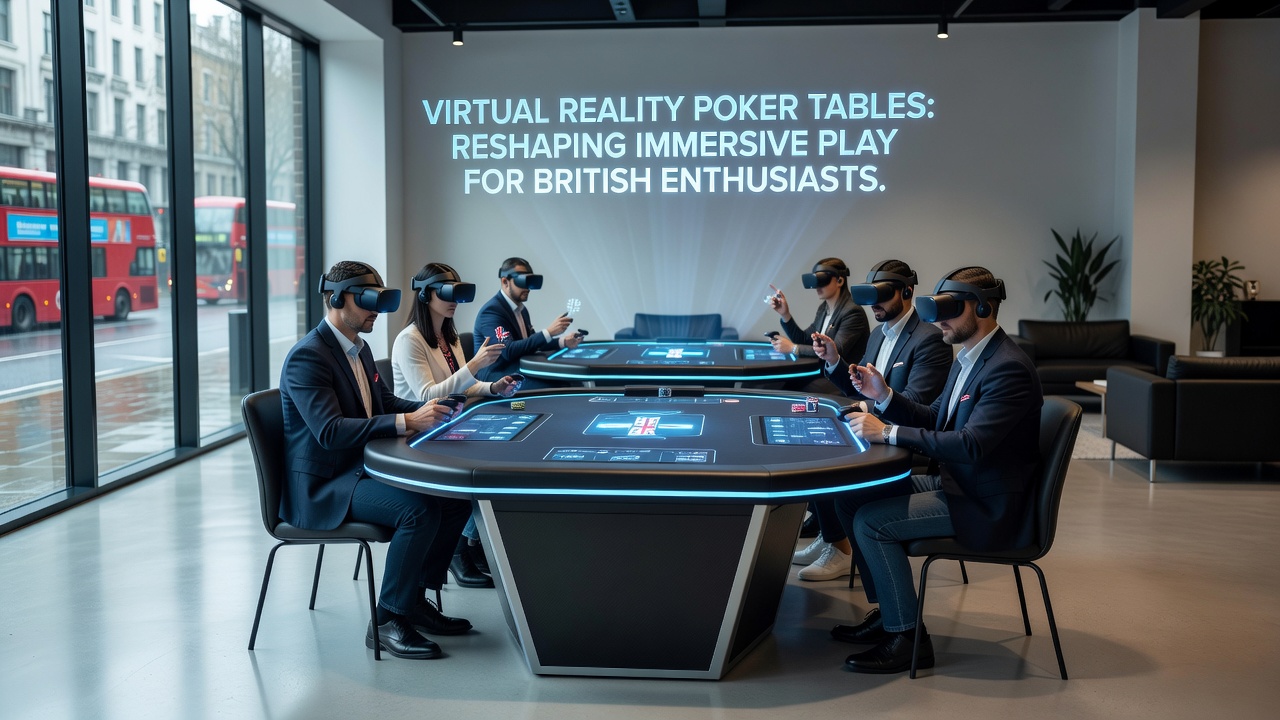
Virtual reality poker tables combine advanced headsets with real-time rendering software to create shared digital environments where participants sit at virtual felt surfaces, handle animated cards, and interact through motion-tracked gestures, while operators in Britain integrate these systems with existing online platforms that already serve millions of account holders. Data collected through August 2026 shows steady increases in session lengths and repeat logins among users who access these VR modules, particularly during evening hours when traditional live poker rooms report stable but not expanding attendance figures.
Technical Foundations Driving Adoption
Hardware manufacturers supply lightweight headsets with wide fields of view and low-latency tracking that sync with dedicated poker engines, allowing multiple players to occupy the same virtual room without physical co-location, and software developers add features such as customizable table themes, voice chat moderation tools, and hand-history overlays that appear only when requested. Research from the University of Nevada Reno indicates that frame rates above 90 per second combined with accurate hand tracking reduce motion discomfort reports by more than 40 percent compared with earlier consumer models released before 2024.
Network infrastructure upgrades across Britain support the bandwidth demands of simultaneous VR streams, while operators route traffic through regional servers that maintain sub-50 millisecond ping times for most domestic connections. Those who have tested early deployments note that avatar customization options range from realistic representations to stylized characters, giving participants control over visual identity without affecting gameplay mechanics or payout structures.
Regulatory Context and Cross-Border Comparisons
Operators must align VR poker offerings with existing licensing frameworks that govern remote gambling, including age verification protocols and responsible gaming prompts that appear at set intervals during extended sessions. A report issued by the Nevada Gaming Control Board highlights similar technical standards applied to VR table games in licensed jurisdictions, where operators submit software audits every six months and maintain segregated funds for player balances. Observers note that these requirements mirror practices already established for desktop and mobile poker clients, easing the transition for platforms that add VR modules as optional interfaces rather than separate products.
Industry associations such as the European Gaming and Betting Association publish guidelines on immersive technology that address fairness testing for random number generators and data protection standards for biometric inputs collected through headsets. Figures released in mid-2026 reveal that VR poker accounts for a growing but still single-digit percentage of total online poker revenue in markets where the format has been available for more than twelve months, with participation concentrated among users aged 25 to 44 who already own compatible hardware.
Player Experience and Platform Integration
Enthusiasts connect through existing account credentials, select VR mode from a lobby menu, and enter tables that support buy-ins ranging from micro-stakes to higher limits, all while the underlying poker rules remain identical to non-VR versions offered by the same operator. Tournaments scheduled during August 2026 demonstrated that VR participants could switch between headset and traditional screen views without leaving their seat or losing their stack, a feature that reduces friction for those who alternate between immersive and conventional play styles during the same session.
Training modules built into several platforms allow newcomers to practice basic actions such as chip handling and card reveals in a solo VR environment before joining multiplayer tables, and analytics dashboards track voluntary time limits set by users to support self-regulation. One study conducted by researchers at the University of Sydney found that players who used these practice environments completed their first ten real-money hands with fewer rule-related errors than those who skipped the tutorial sequence.
Future Developments and Infrastructure Needs
Hardware suppliers continue to release lighter headsets with improved battery life and integrated audio solutions that reduce reliance on separate earbuds, while software updates introduce new table layouts and spectator modes that let non-players observe ongoing hands from adjustable virtual vantage points. Data centers serving British operators have expanded capacity for cloud-rendered VR content, lowering the minimum device specifications required for smooth performance and thereby broadening potential user bases beyond early adopters who purchased premium equipment in previous years.
Partnerships between game developers and established poker networks facilitate shared liquidity pools, ensuring that VR tables draw from the same player pools as desktop clients and maintain comparable wait times for table seating. Figures compiled through the first half of 2026 indicate consistent month-over-month growth in VR-enabled accounts, although absolute numbers remain smaller than those recorded for mobile poker applications that do not require additional hardware purchases.
Conclusion
Virtual reality poker tables continue to integrate with Britain's broader online gaming ecosystem through incremental technical improvements and alignment with established regulatory expectations, while usage data from August 2026 shows sustained interest among segments already familiar with both poker and consumer VR devices. Operators monitor performance metrics and user feedback to refine features, and cross-jurisdictional reports from bodies such as the Nevada Gaming Control Board provide benchmarks that inform ongoing development without altering core gameplay or financial operations.